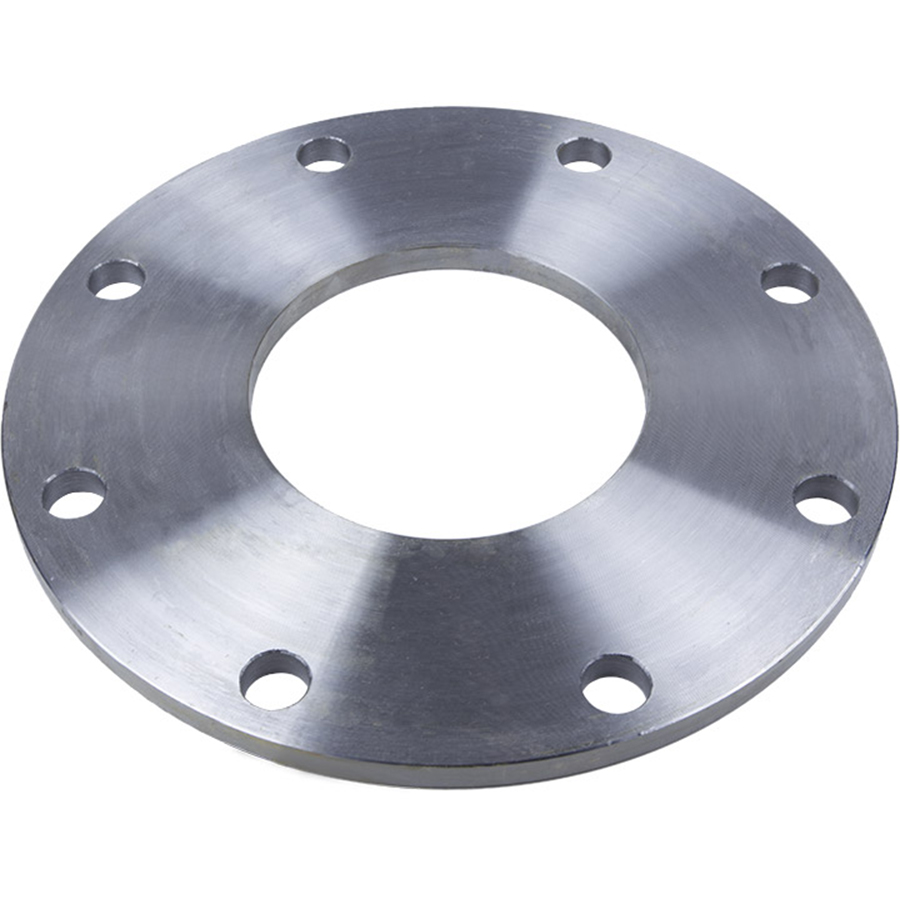
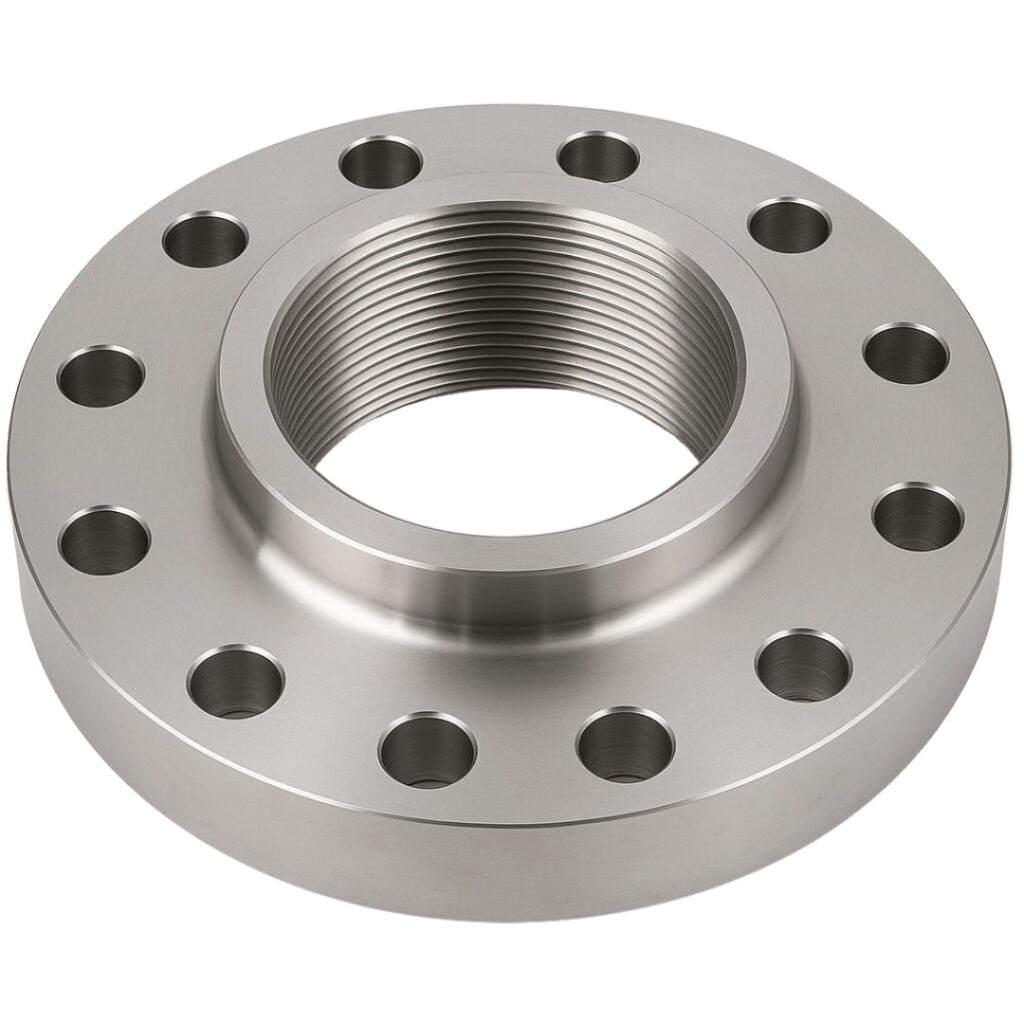
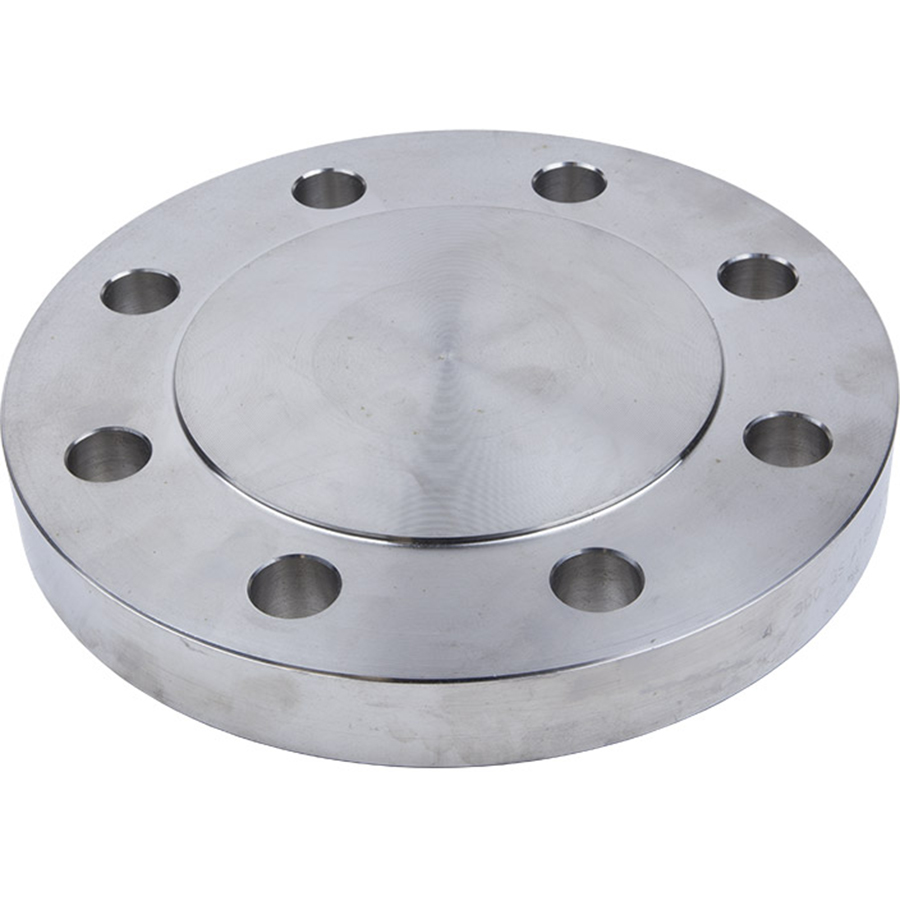
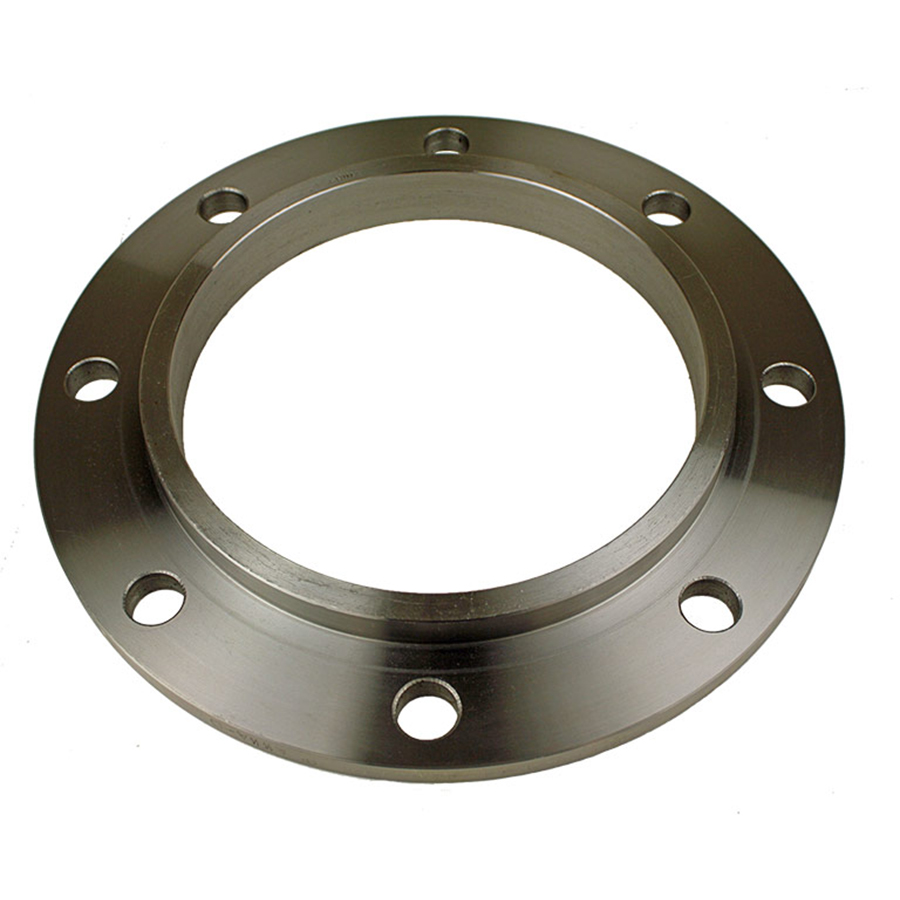
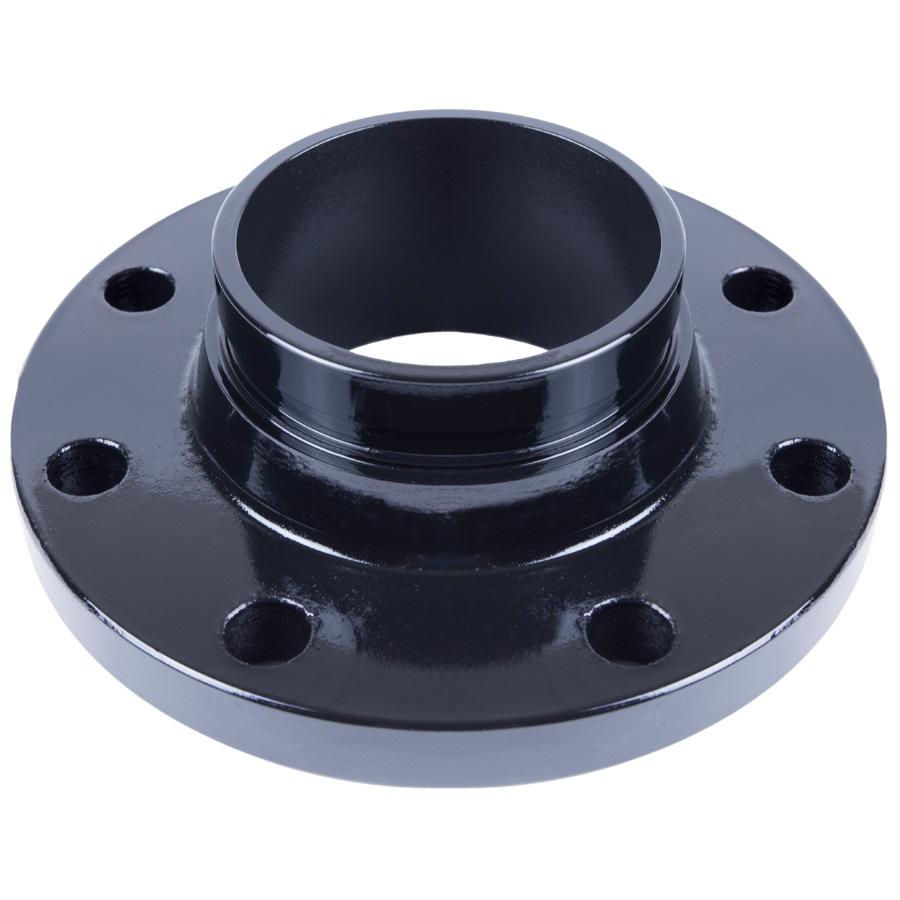
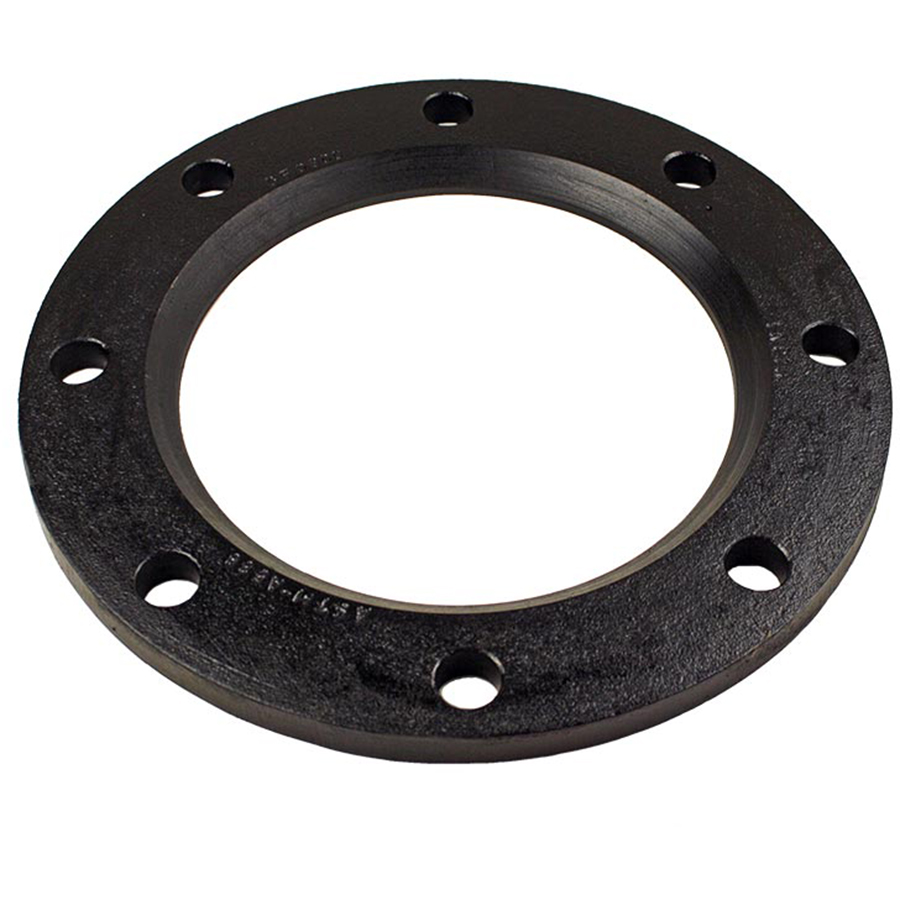
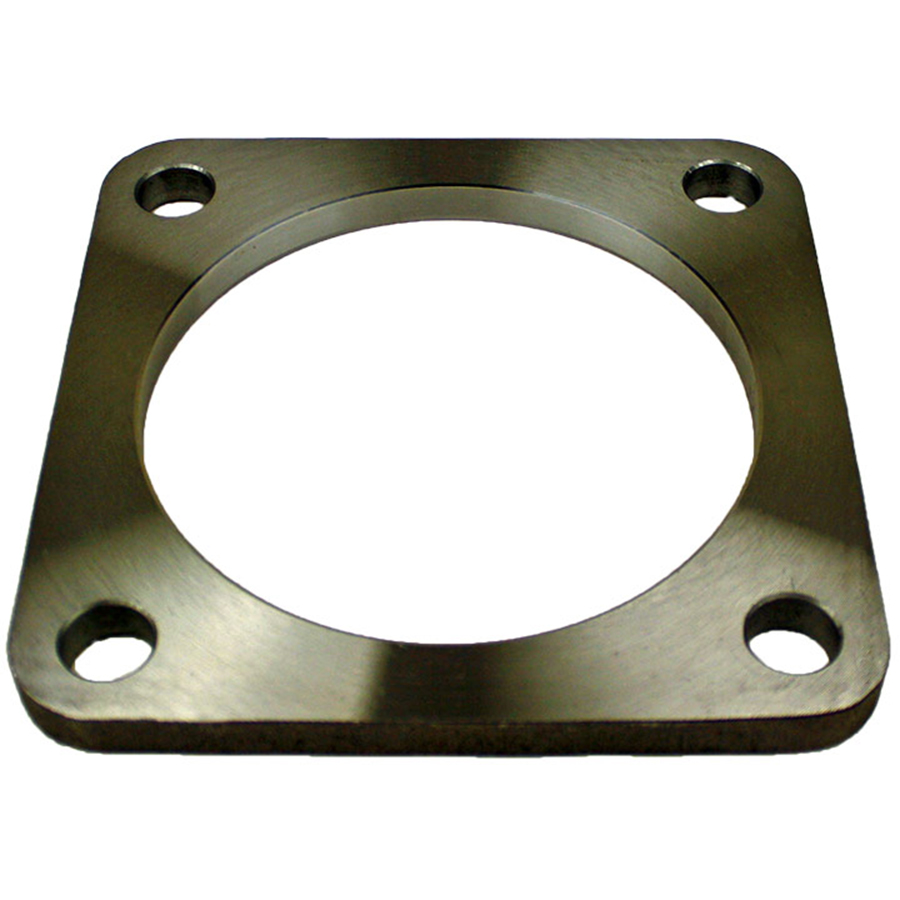
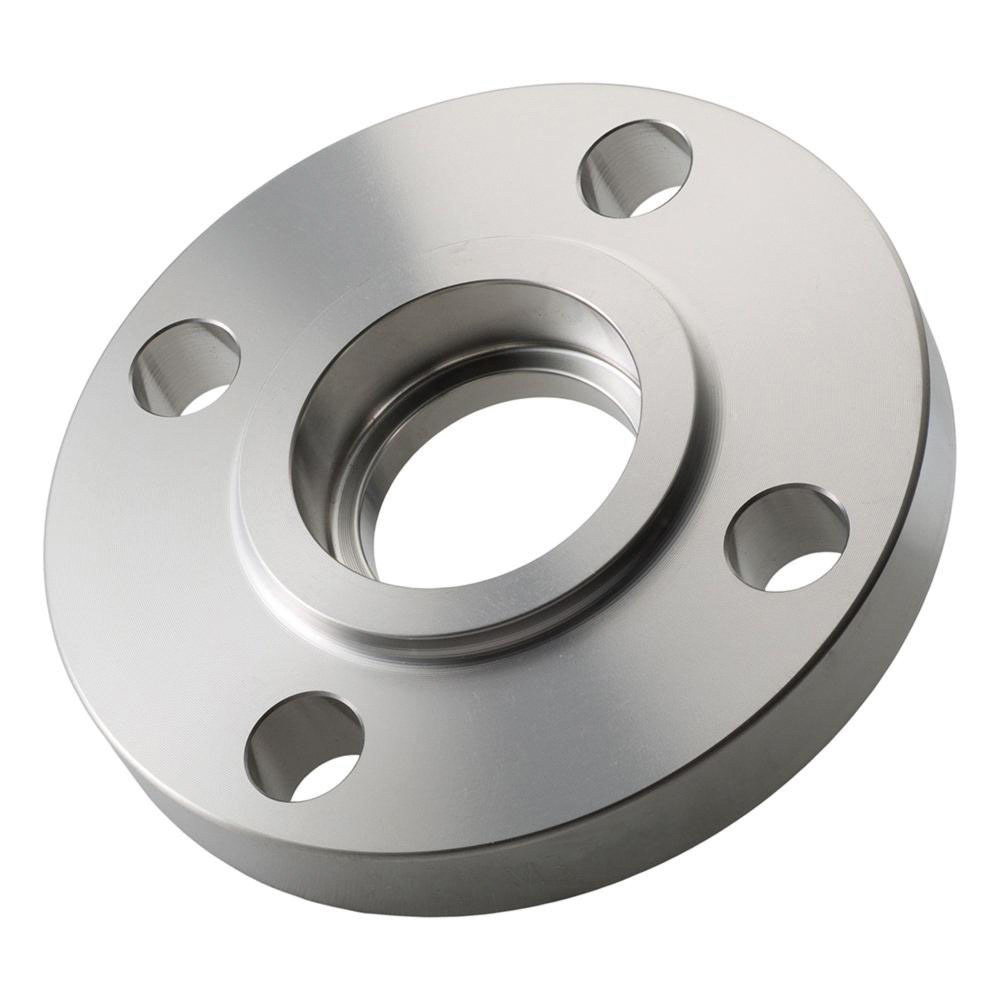
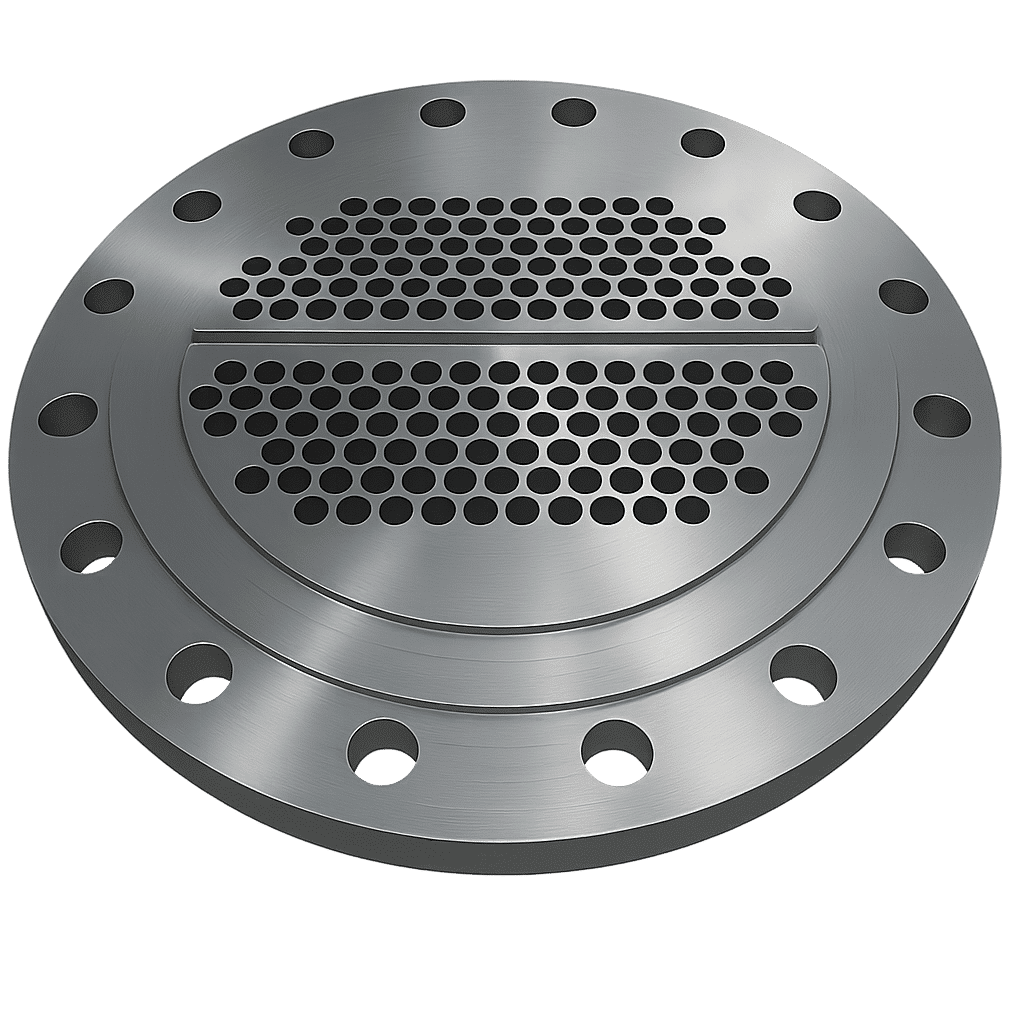
We manufacture standard and custom steel flanges to meet the highest quality standards, includingAWWA and ANSI/ASMEspecifications in both Domestic (AIS) and imported materials. Our flanges are developed for Waterworks, Data Centers, Agriculture, HVAC, Exhaust, and other industries.
API International is a manufacturer of flanges, expansion joints, valve accessories, other pipe fittings, and custom-fabricated parts. We offer a wide variety of domestic/AIS and imported flanges along with other industrial pipe fittings and accessories. Customers turn to us when project deadlines are tight, parts are hard to find, and they need fast shipping plus expert support to keep their operations on track.
We begin by understanding your goals, whether it's reducing cost, improving quality, or launching a new product. Together, we define technical and commercial requirements to ensure full alignment from the start.
Global Manufacturing Capabilities
With worldwide manufacturing resources, API International provides both standard and custom flange solutions. Our network of facilities and in-house expertise allow us to deliver the right fit for your needs, whether it’s off-the-shelf or built to specification.
Collaborative Development
Our engineers work closely with customers to refine designs, reduce costs, and ensure manufacturability. We stay connected with your team throughout to keep progress clear and efficient.
Approval & Launch
After final review of samples, production begins. Our team oversees quality and delivery coordination to ensure smooth execution and traceability from start to finish.
Our product line includes a full range of industrial flanges, expansion joints, and precision pipe fittings engineered for demanding applications. We manufacture to AWWA, ANSI/ASME and DIN standards, delivering solutions for waterworks, HVAC, marine, mining, agriculture, and other industries requiring durability and precision. With in-house machining capabilities, we create custom steel components to exact specifications, ensuring a perfect fit for your project while meeting strict quality standards and delivery timelines.
“API International is both very timely and responsive to customers while providing excellent customer service, great quality products, and fostering and maintaining excellent relationships with their customers.”
Customer in the BELLOWS INDUSTRY
Fantastic customer service!
“Fantastic customer service! API International is a great company to work with, their employees are great, and their products are as well!”
API International can work with us on special project pricing.
“API International does a really good job of helping our company and we appreciate the partnership. API International has the ability to work with us on special project pricing and lead times.”
“We have been purchasing flanges & fittings from API International for over 25 years. Excellent customer service from management to sales staff and timely delivery has helped us to keep our customers happy.”
API International provides an excellent service experience...
“Our service experience and company relationship with API International has been great. API International provides an excellent service experience for their customers.”
Customer in the BELLOWS INDUSTRY
API International has been a go to flange supplier for over 20 years.
“API International has been a go to flange supplier for over 20 years. Their extremely fast order processing makes placing and receiving orders seamless.”
Customer in the WATER/WASTEWATER INDUSTRY
Have been doing business with for 20 years.
“Great customer service. Always a pleasure to work the guys at API International. Have been doing business with for 20 years.”
“I am happy with the responsiveness and time frame in which quotes are given. I do not have anything negative to say and think they are doing a good job.”
API International provides high-quality components for waterworks, industrial applications, HVAC, and agriculture with a focus on timely delivery, customization, and customer service.
What is the typical lead time for orders?
Most in-stock items ship same-day/next-day to meet your deadlines. Custom orders may vary depending on complexity, but we prioritize on-time delivery.
Do you offer technical support for product selection?
Yes. Our technical advisors are available to help you choose the right components for your application. Reach out via our contact page or call us directly.
How do I get help with a technical issue or return?
We’ll work quickly to resolve the matter and ensure your satisfaction.
How do I become a customer of API International?
Simply complete our New Customer/Credit Application form, available by request. Once approved, you’ll be able to receive orders from API International.
What are your standard terms and conditions of sale?
All sales are subject to API International’s standard warranty and terms which can be found here: Terms and Conditions
Do you offer training or learning resources for your products?
Yes. Contact your Account Manager for training materials.
What makes API International different from other suppliers?
We combine deep technical knowledge, high levels of inventory, fast delivery, and a commitment to customization and service. Our team takes ownership of every order to ensure satisfaction.
Can I get help designing a custom solution?
Absolutely. Our engineering and product teams collaborate with customers to design and deliver custom components that meet exact specifications.
How do I start a quote process for a custom part for my organization?
Call or email us info@apiint.com / 503.692.3800 with your needs. Our team will be more than happy to guide you through the technical process and work with your engineers.
At API International, our custom manufacturing capabilities set us apart. With an in-house machine shop, we transform your designs into precision parts quickly. From single prototypes to full production runs, we deliver cost‑effective pricing, dependable performance, and rapid turnaround. Flexible material options and rigorous quality checks ensure consistency from part to part.
99.5% order accuracy rate
Our boots-on-the-ground approach ensures close collaboration with our suppliers. Every flange, valve accessory, and fitting undergoes rigorous inspection and thorough documentation, ensuring consistent performance and reduced field issues.
Delivery You Can Count On
Active customers in all 50 states + Canada and Mexico
When your schedule is on the line, knowing our U.S. warehouses are stocked and orders ship same-day gives you peace of mind, so you can focus on the task at hand, not the clock.
Your Specs, Our Precision
700+ machined-to-spec parts created each year
Collaborate directly with our engineers to bring your unique specifications to life, ensuring every component performs as if it were built with your project in mind.
Personalized Support
1,500+ unique customers served over 45+ years
Our dedicated account team partners with you from quote to delivery, answering questions and offering expert advice so you can make confident decisions and avoid costly delays.
Why Industry Experience Matters
At API International, our commitment to engineered precision, collaborative problem-solving, and rigorous quality assurance helps reduce your total cost of ownership. We streamline manufacturing workflows, eliminate errors, minimize design revisions, and ensure product dependability, delivering integrated solutions that save you time, money, and operational stress.
AWWA C207/C228 Spec Update: What Changed for 22″ Class-F Flanges
API International
In 2023, The American Water Works Association (AWWA) has issued a specification revision affecting the bolt hole diameter for 22″ Class-F flanges. This revision is applicable to Carbon Steel (AWWA C207 Class F) and Stainless Steel (AWWA C228 Class SF)
What’s Better for Sealing? Threaded vs Socket Weld Flanges
API International
On the surface, choosing between threaded and socket weld flanges can seem like a minor detail. In reality, the sealing performance difference between the two is meaningful. This guide breaks down how each connection works, where each performs well, where
Threaded pipe flanges are widely used across industrial, commercial, and municipal piping systems. Selecting the right one for a specific application involves more than just choosing a pipe size. Before specifying or installing a threaded pipe flange, engineers and procurement
Domestic A36 Flanges: Properties, Types, and Applications
API International
Domestic ASTM A36 is one of the most commonly specified carbon steel grades in American manufacturing. The combination of low carbon content, reliable weldability, and domestic availability makes it a practical choice across a wide range of industrial applications, which
Key Information to Know Before Using Threaded Flanges
API International
Threaded companion flanges are widely used across industrial, commercial, and municipal piping systems. Selecting the right one for a specific application involves more than just choosing a pipe size. Before specifying or installing a threaded flange, engineers and procurement teams
All About Threaded Companion Flanges (From Selection to Installation)
API International
Not every piping connection can be welded. In explosive atmospheres, remote locations, or systems requiring regular disassembly, threaded companion flanges provide an essential alternative. Standardized under ANSI/ASME B16.5 and used across oil & gas, process, and utility piping systems worldwide,
Plate flanges are cut or machined from flat steel plate rather than forged from bar or billet. They are widely used in waterworks, irrigation, selected industrial systems, utility connections, and other applications where ring-type slip-on and blind flange styles are
Plate flanges are fabricated by cutting profiles from flat carbon or stainless steel ASTM specified plate. Subsequently, they are machined to precise specifications, including bolt hole patterns and center bores. While forged flanges are formed under high pressure from round
Different Types of Plate Flanges in Piping Systems
API International
Plate flanges are one of the most widely used connection components in piping systems, especially in waterworks, industrial processing, and utility applications. They are fabricated by cutting profiles from flat carbon or stainless steel ASTM specified plate. Subsequently, they are
Domestic (AIS) Flanges: U.S. Compliance Requirements by State
API International
If you work on water or wastewater projects, you’ve likely encountered AIS (American Iron and Steel) and BABA (Build America, Buy America). They are closely related but don’t operate the same way in practice. AIS established the baseline by requiring