
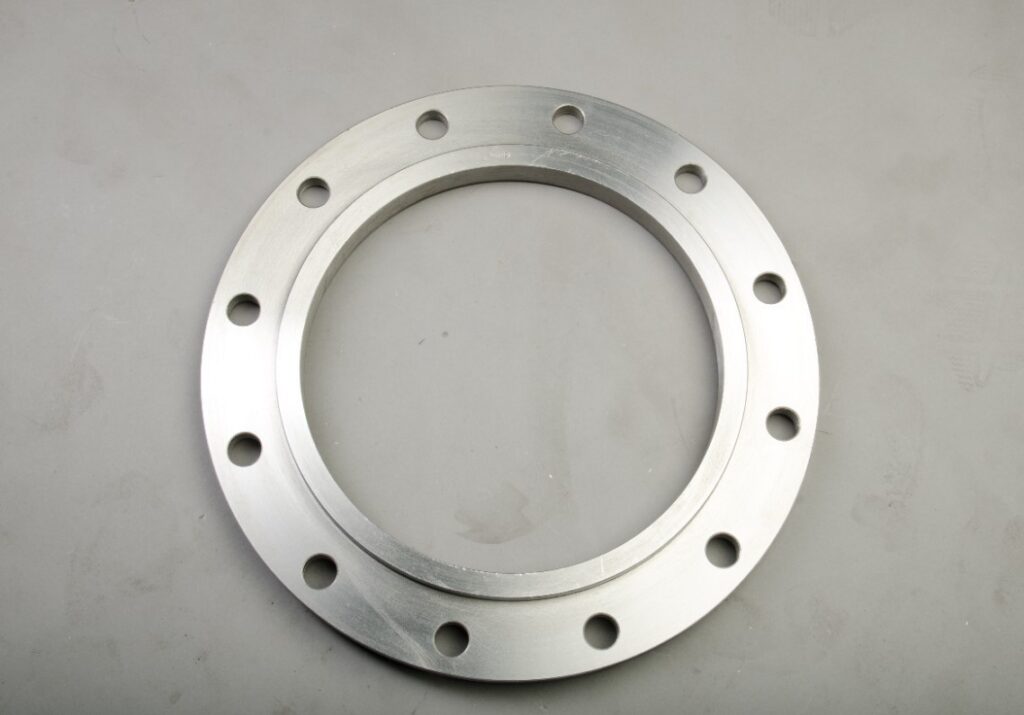
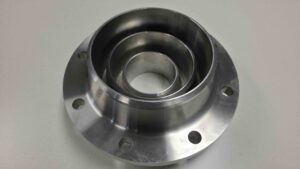
ANSI/ASME B16.5 and B16.47 standards define standardized pressure–temperature limits for flanged piping systems. Each pressure class corresponds to a specific rating that varies based on material group and operating temperature. This article explains these ratings, ranging from Class 150 through Class 2500, outlines the critical differences between B16.5 and B16.47, and provides reference tables based on official ANSI/ASME standards.
1. What Are ANSI / ASME Pressure Classes?
ANSI / ASME pressure classes establish standardized limits governing how flanged piping systems perform under combined pressure and temperature conditions. These classifications are applied across industries such as oil and gas, petrochemical processing, power generation, water treatment, and heavy industrial service. They cover the following requirements:
- Maximum allowable working pressure
- Maximum operating temperature
- Flange geometry and bolt patterns
- Interchangeability across different manufacturers
2. Standard ANSI / ASME Pressure Classes
| ASME Pressure Class | Typical Pressure Range* | Common Applications and Service Characteristics |
|---|---|---|
| Class 150 | Low pressure (up to ~285 psi) | Water systems, HVAC, low-pressure steam, fire protection, and general industrial piping. Commonly used where operating pressures and temperatures are relatively low. |
| Class 300 | Moderate pressure (up to ~740 psi) | Process piping, compressed air, hydrocarbons, and light chemical service. Widely used in industrial facilities which require higher pressure capability than Class 150. |
| Class 400 | Intermediate pressure (up to ~990 psi) | A less common class typically specified for specialized or legacy systems where Class 300 is insufficient but Class 600 is not required. |
| Class 600 | High pressure (up to ~1480 psi) | Oil and gas processing, steam systems, chemical plants, and power generation. Designed for elevated pressures and temperatures with heavier flange construction. |
| Class 900 | Very high pressure (up to ~2220 psi) | Refinery service, high-pressure process lines, and severe hydrocarbon applications. |
| Class 1500 | Severe pressure and temperature (up to ~3705 psi) | High-pressure reactors, critical steam systems, and aggressive chemical environments. Requires careful material and bolting selection. |
| Class 2500 | Extremely high pressure (up to ~6170 psi) | Specialized ultra-high-pressure systems with strict engineering controls and limited application scope. |
3. Differences Between ASME B16.5 vs ASME B16.47
Both standards define ANSI / ASME pressure classes, but they apply to different flange size ranges and industrial applications.
ASME B16.5
- Covers NPS ½″ through 24″
- Applies to Classes 150 through 2500
- Used for most standard piping systems
- Includes detailed pressure–temperature rating tables
ASME B16.47
- Covers NPS 26″ through 60″
- Limited to Class 75, 150, 300, 400, 600, and 900
- Intended for large-diameter pipelines
- Optimized for reduced weight and bolt load
! A Class 600 flange under B16.5 and B16.47 has the same pressure rating, but dimensions and bolt patterns differ, meaning they are not interchangeable.
4. Effect of Temperature on ASME Flange Pressure Ratings
ANSI / ASME pressure ratings are not static; they are strictly tied to temperature. Most ratings are anchored at a base range of -20°F to 100°F (-29°C to 38°C). As the operating temperature increases, the allowable pressure decreases significantly. For instance, at 800°F (427°C), the pressure capacity of a carbon steel flange can drop by over 70% compared to its ambient rating.
Reference Values for ASTM A105 Carbon Steel (ASME B16.5)
| ASME Class | Pressure at 100°F (psig) | Pressure at 400°F (psig) | Pressure at 800°F (psig) |
|---|---|---|---|
| 150 | 285 | 200 | 80 |
| 300 | 740 | 635 | 410 |
| 400 | 985 | 845 | 550 |
| 600 | 1480 | 1265 | 825 |
| 900 | 2220 | 1900 | 1235 |
| 1500 | 3705 | 3170 | 2055 |
| 2500 | 6170 | 5280 | 3430 |
5. Effect of Material on Pressure Ratings
Material selection directly affects allowable flange pressure ratings, because ASME B16.5 pressure–temperature limits are based on material strength and temperature performance. Materials with higher strength generally allow higher pressures, while increasing temperature reduces allowable pressure. ASME B16.5 gathers flange materials into material groups with pressure–temperature ratings which are published across multiple tables. These ANSI / ASME tables serve as the basis for safe flange selection and specification. They can be found in the ASME B16.5 and ASME B16.47 officially published standards.
Material selection is a primary factor in determining a flange’s pressure capacity. Because different alloys react differently to heat and stress, ANSI/ASME B16.5 categorizes materials into Material Groups (e.g., Group 1.1 for carbon steels or Group 2.2 for stainless steels). Each group has a dedicated pressure–temperature table that serves as the engineering basis for safe flange selection. While higher-strength alloys generally permit higher operating pressures, all materials experience a reduction in allowable pressure as temperatures rise. These standardized ratings are published in the official ANSI/ASME B16.5 and B16.47 standards.
Reference Table (Material Comparison, Class 300, 100°F)
This illustrative summary gives approximate relative pressure values at a common baseline temperature.
| Material | Typical ASTM Spec | Reference Allowable Pressure at 100°F (psi) |
|---|---|---|
| Carbon Steel | A105 | ~740 |
| Stainless Steel | A182 F316 | ~720 |
| Alloy Steel | A182 F22 | ~750 |
! Approximate values based on typical material group differences; exact values depend on the specific ASME B16.5 table for each material group.
6. How to Determine the Required ASME Flange Pressure Class
When you select a pressure class from the ANSI/ASME standards for your specific need, take into account the following factors:
| Factor | Why It Matters |
|---|---|
| Operating Pressure | Identify the maximum operating pressure and maximum operating temperature for the needed piping system. These values should reflect the most severe expected service conditions (including system testing, possible surges, or system upsets), rather than normal operating averages. |
| Flange Material | Choose a flange material compatible with the process fluid (e.g., A105 carbon steel or F316 stainless), then identify its corresponding material group as defined in ANSI/ASME B16.5. Before finalizing the selection, carefully review the “Notes” section within the standard; these contain critical limitations on temperature ranges and specific service conditions that may restrict a material’s allowable use. B16.5 and B16.47 generally only permit forged, one-piece flanges. The exceptions are blind flanges or reducing flanges without hubs, which may be fabricated from plate material (ex. ASTM A240 316/316L). |
| Environment | Navigate to the table corresponding to your Material Group. Locate your Design Temperature and move across the row until you find a pressure rating that exceeds your Design Pressure. The pressure class identified through this process defines the flange’s allowable pressure-temperature rating for the specified material and service conditions. |
7. Conclusion
ANSI / ASME flange pressure ratings provide a standardized method that allows the selection of flanges based on pressure, temperature, material group, and applicable ASME standards. Because these variables are interdependent, proper flange selection requires evaluation of the entire piping system rather than relying on a pressure class designation alone. Before finalizing any specification, engineers and buyers should consult the latest editions of ANSI/ASME B16.5 and B16.47 to ensure full compliance and safety.
At API International, Inc., we stock standard and can manufacture custom ANSI/ASME flanges in domestic (AIS) and imported materials, designed to meet the most demanding industry standards. Our full line of flanges can be viewed here. If our standard flanges don’t meet your specific requirements, our Custom Machining Shop provides precision manufacturing of custom parts as well as modifications to stock items, ensuring your project receives exactly what it requires.