
Understanding ANSI/ASME B16.5 and B16.47 Standards
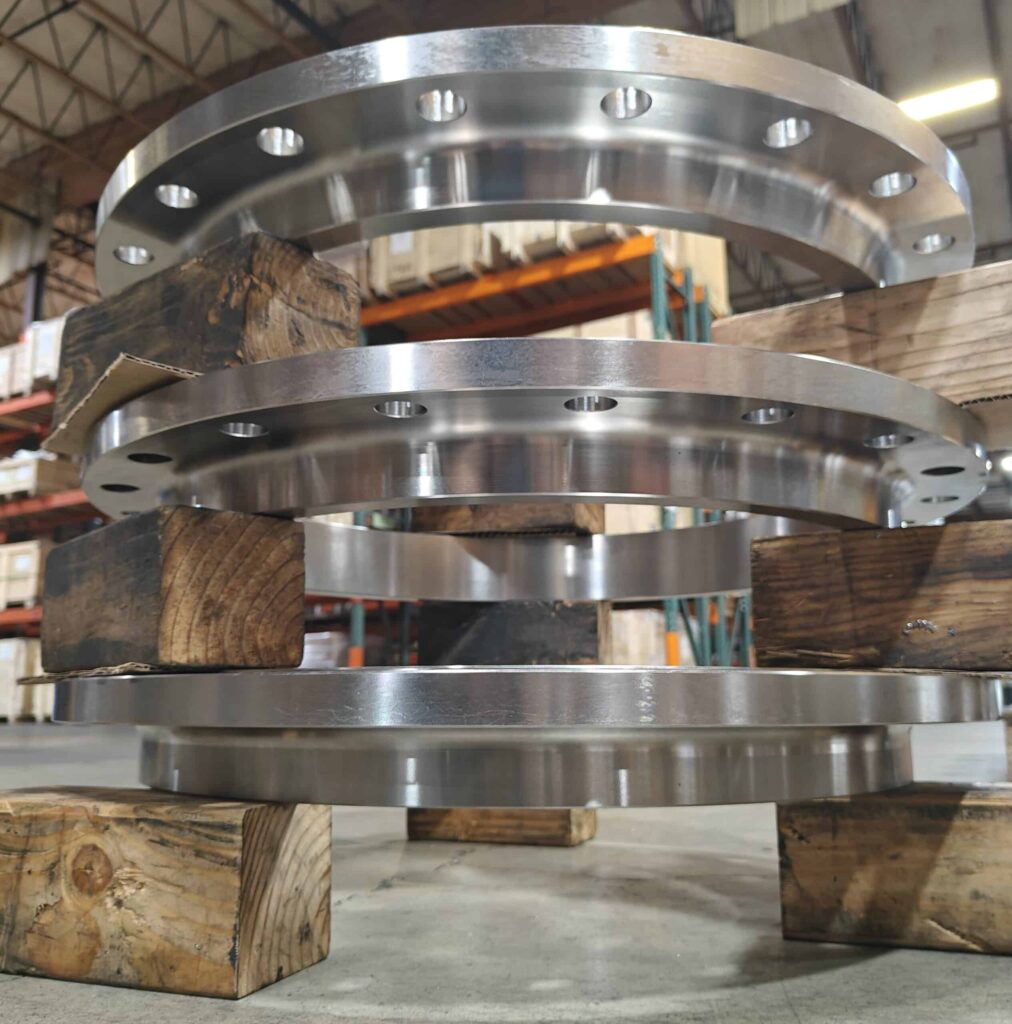
The American National Standard Institute (ANSI) Sectional Committee B16 has been defining publishing safety and dimensional standards for piping systems since 1922. Sectional Committee B16 was reorganized as an ASME (American Society of Mechanical Engineers) standards committee in 1982 with the first publication of the standards under the ASME/ANSI designation in 1988. Today, these standards […]
Slip-On vs Blind Flanges: What’s the Difference?
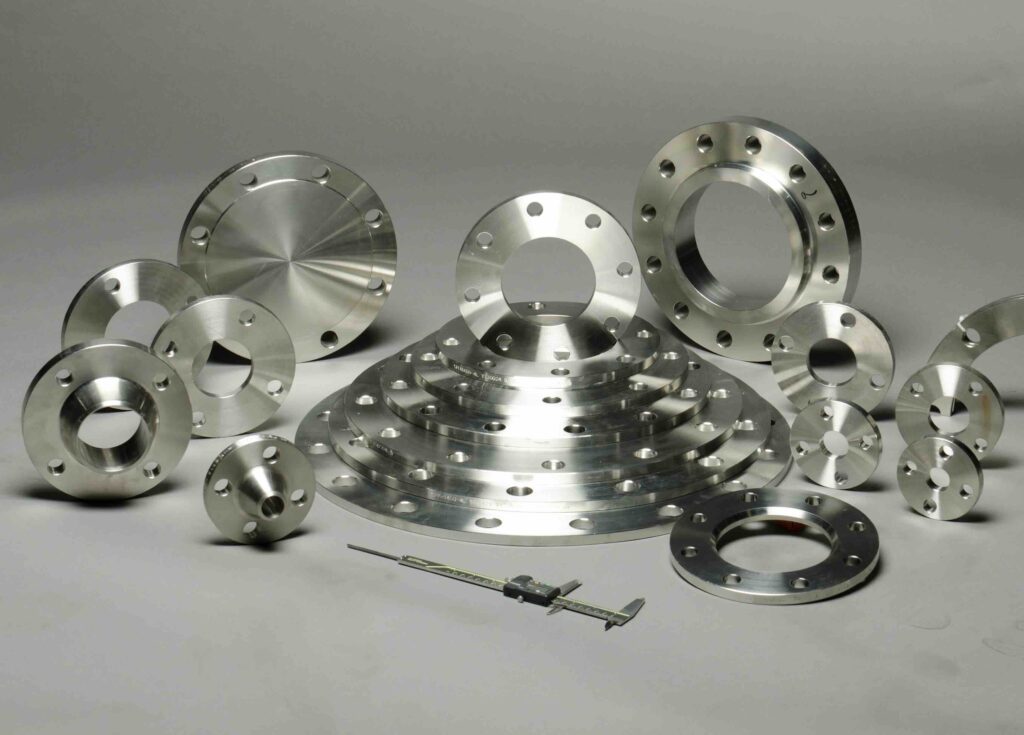
Slip on flanges and blind flanges, two of the most common options, serve very different roles within the same piping system. Slip-on flanges provide cost effective connection points for pipes and equipment, while blind flanges ensure a secure closure at the end of a piping line. In this article we explain the basics of each […]
How Do ANSI/ASME Flanges Work?
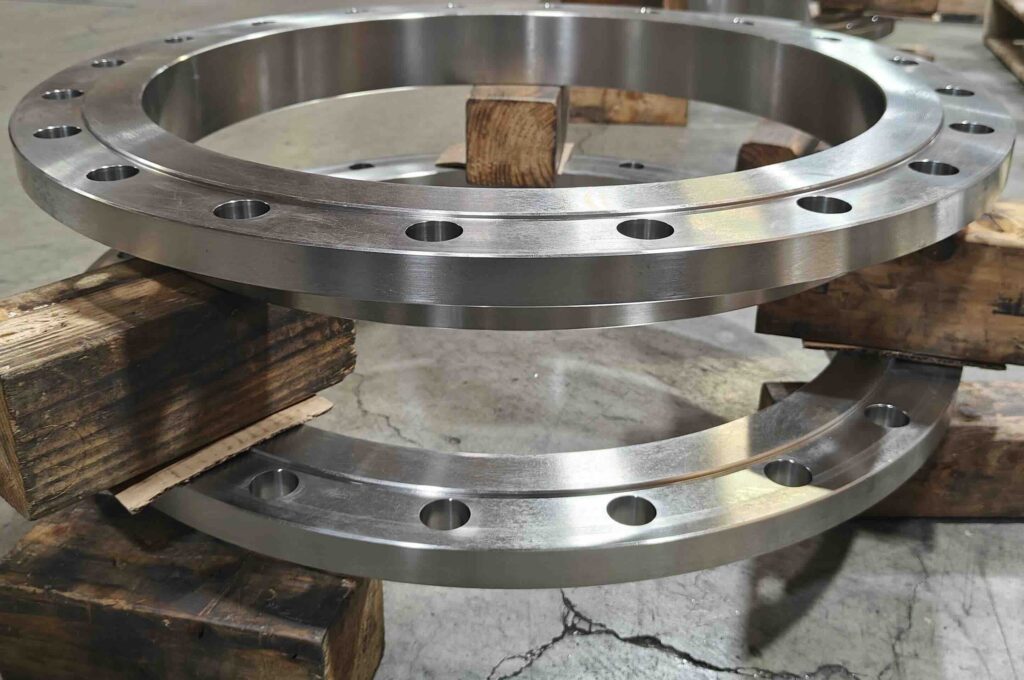
ANSI/ASME flanges are built specifically for high-pressure piping systems, as they can maintain a reliable seal under demanding conditions. They work by compressing a gasket between two machined flange faces using bolts. This creates a controlled, leak-proof seal that is capable of withstanding internal pressure, temperature changes, vibration, and mechanical loads. This article explains in […]
What Are ANSI/ASME Flanges?
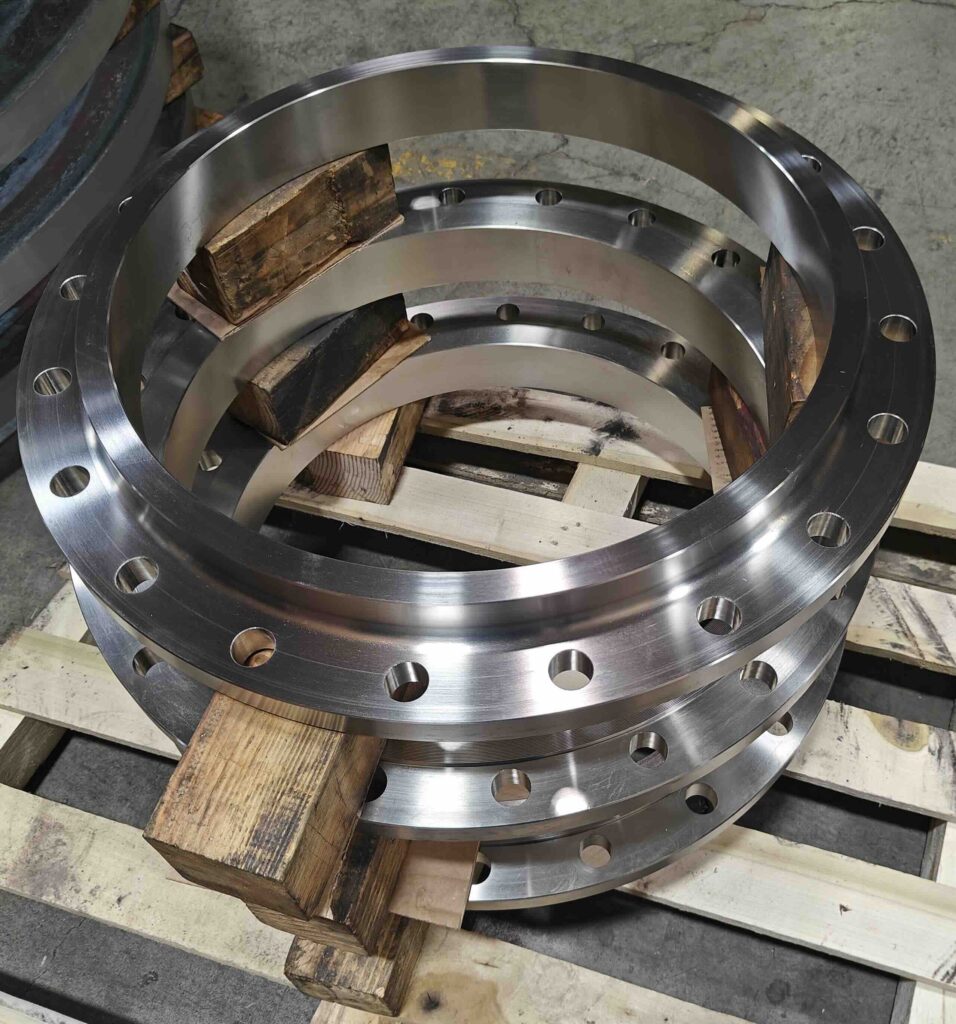
ASME/ANSI flanges are standardized components used to connect pipes, valves, pumps, pressure vessels, and other equipment in industrial piping systems. The modern standards governing these flanges are published by the American Society of Mechanical Engineers (ASME). People often call these flanges ‘ANSI flanges,’ but the official design and dimensional requirements fall under ASME, specifically the […]
Advantages of Slip-On Flanges in Piping Projects
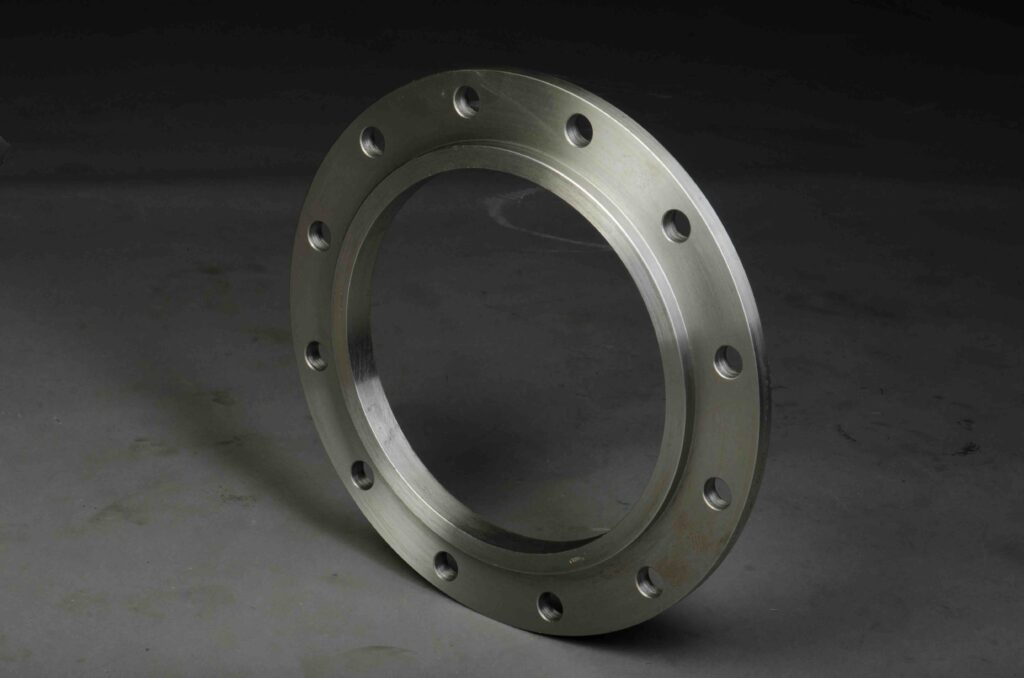
In piping projects, slip-on flanges offer several key benefits: lower cost, easier installation, standardized pressure ratings, and the ability to handle large-diameter lines with minimal preparation. They are recognized in standards such as ASME & AWWA, and are available in a wide range of sizes and materials. The advantages of slip-on flanges are summarized below. 1. […]
Slip-On Flanges in Industrial Applications
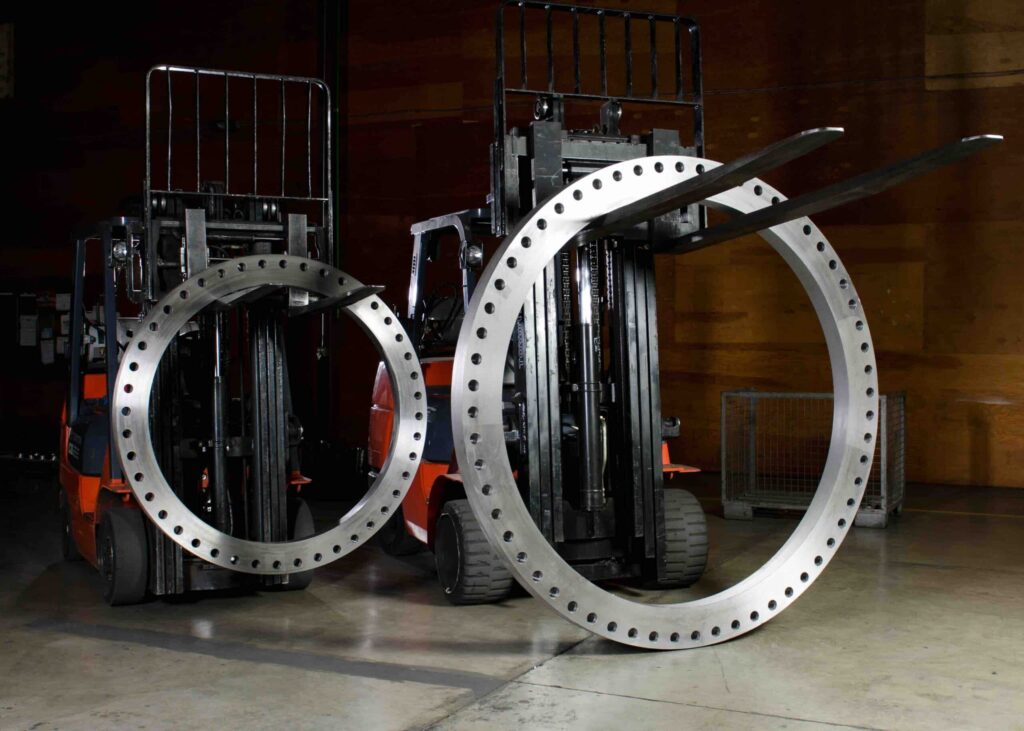
Slip-on flanges are a practical choice across many industrial settings, valued for their cost-effectiveness, ease of installation, and reliable performance under moderate conditions. Even though they are not designed for the highest pressure or most demanding service lines, they still provide a dependable solution for utility piping, water treatment, HVAC, and other industrial process systems. […]
Slip-On vs Weld Neck Flanges: Pros and Cons

Slip on and weld neck flanges represent two distinct approaches in piping connections, each with specific advantages and trade offs. This guide reviews the pros and cons of slip on and weld neck flanges, explaining how they differ and when each is best suited for specific applications. Overview of Slip-On Flanges Slip-on flanges are designed […]
What are Slip-On Flanges?
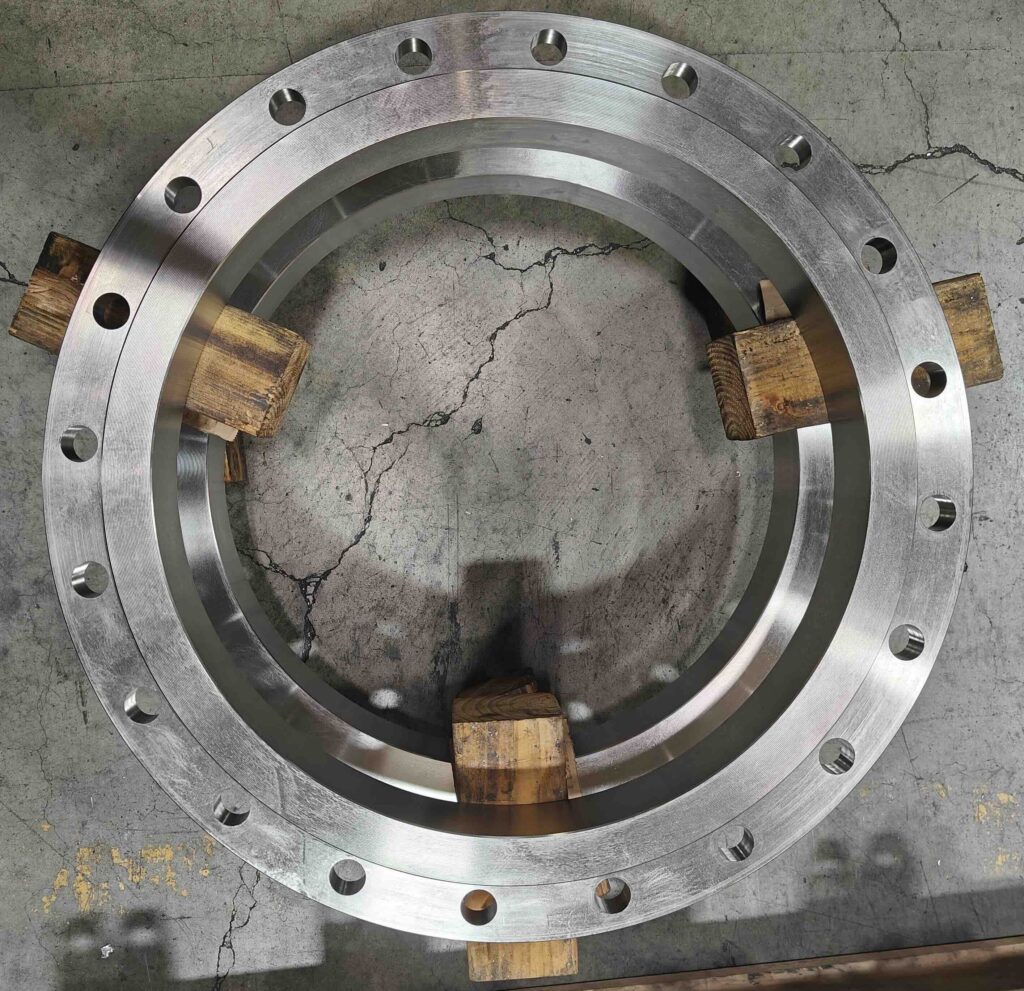
Flanges play an essential role in connecting pipes, valves, pumps, and other piping equipment in a way that allows disassembly and maintenance. Slip-on flanges are widely used because of their ease of installation, moderate strength, and comparatively low cost. Below, we provide more information on what slip-on flanges are, their specifications, advantages, applications, and comparisons […]
What Leads to Flange Damage?
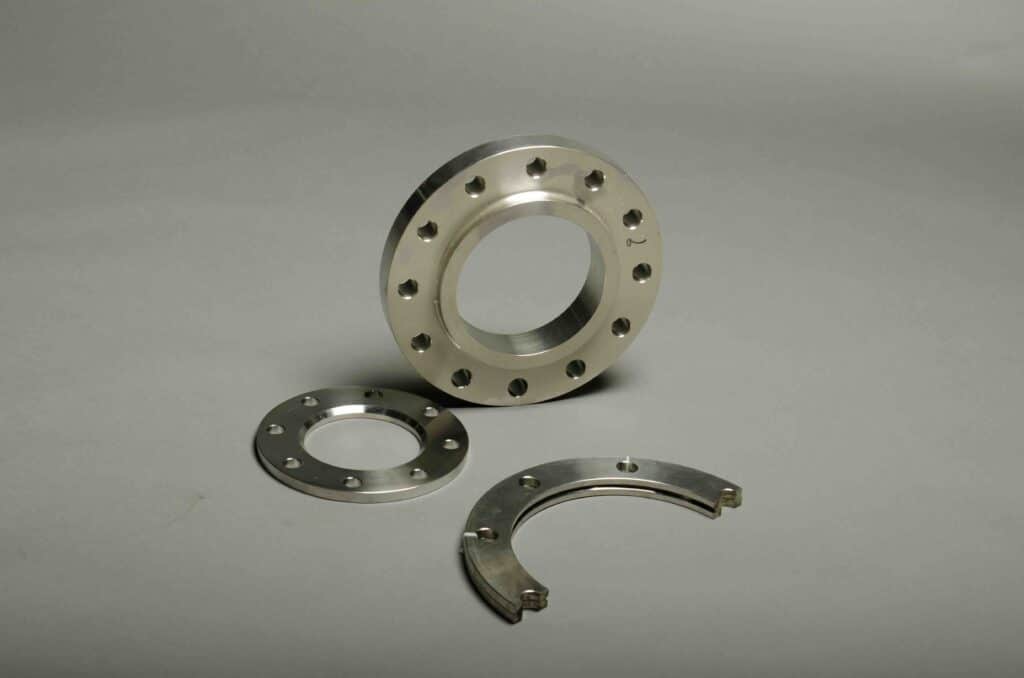
Pipe flanges are made to be able to withstand extreme conditions and provide long-term service. Yet in practice, these parts remain one of the most vulnerable pieces in piping systems. Failures often happen at the flange joint because of their complex interaction between bolts, gaskets, surfaces, and operating conditions.By understanding the main causes of flange […]
What are the Benefits of Flanges?

Flanges are critical components in many piping systems, they provide a secure way to join pipes, valves, pumps, and other equipment. Flanges are widely used in industries like oil and gas, waterworks, chemical processing, and power generation because they offer dependable performance and are backed by established standards which include AWWA, ANSI/ASME, DIN and others. […]