We start the process by receiving raw material.When material arrives, it first goes through receiving inspection. Our receiving inspector performs an initial check per the work order, measuring two points on the material to verify callout dimensions. This confirms that
The real issue behind most mismatches Most flange mismatches happen because people assume all flanges are the same. In reality, flanges from different manufacturers can vary in size, pressure rating, material, and bolt hole pattern.To avoid these problems, always double-check
To design a safe and reliable piping system, it is critical to select the appropriate ASME/ANSI flange. Properly chosen flanges must be able to accommodate operating pressure, temperature, mechanical loading, and environmental exposure. On the other hand, if a flange
The primary advantages of ASME/ANSI flanges lie in their rigorous standardization, ensuring seamless interchangeability and compatibility across global piping systems. Designed for robust performance, these flanges maintain structural integrity in extremely high-pressure and high-temperature environments. Beyond their mechanical strength, standardized
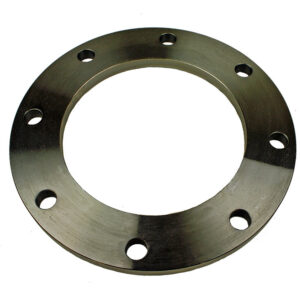
1. The simplest way to explain what a flange is A flange is a lip. Try to grab a smooth pipe, and your fingers slide off. When you flare the end of the pipe, you create a small lip you
ANSI/ASME flanges are a foundational component in industrial piping systems, as they provide standardized, pressure-rated connections between pipes, valves, equipment, and vessels. Governed by ASME standards and associated with ANSI, these flanges are used across a wide range of operating
ANSI/ASME B16.5 and B16.47 standards define standardized pressure–temperature limits for flanged piping systems. Each pressure class corresponds to a specific rating that varies based on material group and operating temperature. This article explains these ratings, ranging from Class 150 through
ANSI/ASME flanges are the primary connection components which are used in industrial piping systems across oil & gas, petrochemical, power generation, water treatment, and mechanical/HVAC applications.ANSI/ASME B16.5 covers NPS ½” to 24” in pressure classes 150 to 2500. Flange types
ANSI/ASME flanges are built specifically for high-pressure piping systems, as they can maintain a reliable seal under demanding conditions. They work by compressing a gasket between two machined flange faces using bolts. This creates a controlled, leak-proof seal that is
Slip on and weld neck flanges represent two distinct approaches in piping connections, each with specific advantages and trade offs. This guide reviews the pros and cons of slip on and weld neck flanges, explaining how they differ and when
Our Press Release articles are here to provide you useful information about the latest news and company updates from API International, Inc.
Our Technical Resources are here to provide you useful information including Spec Sheets, Product Catalog, Line Cards, and more.