
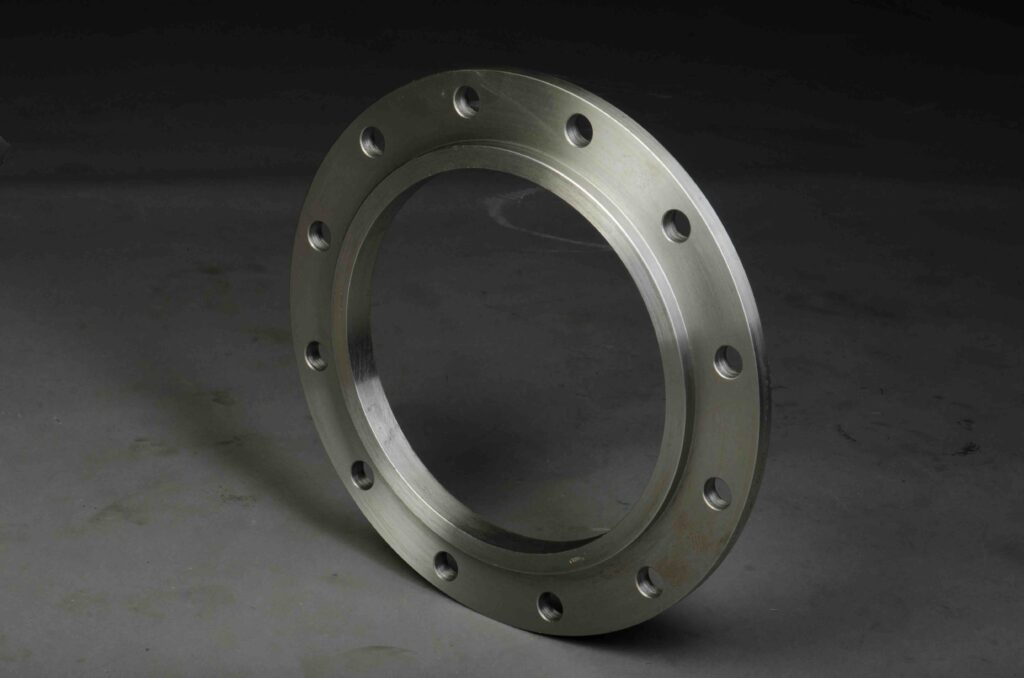
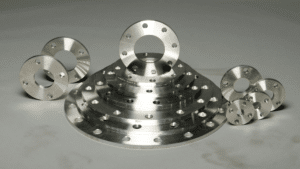
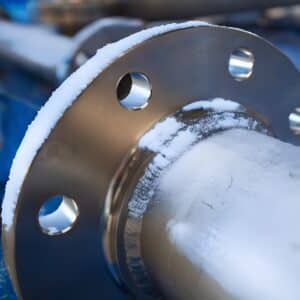
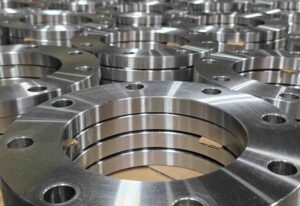
The primary advantages of ASME/ANSI flanges lie in their rigorous standardization, ensuring seamless interchangeability and compatibility across global piping systems. Designed for robust performance, these flanges maintain structural integrity in extremely high-pressure and high-temperature environments. Beyond their mechanical strength, standardized bolt-hole patterns facilitate efficient maintenance by simplifying assembly and disassembly. Furthermore, the ASME/ANSI framework offers exceptional material versatility and a high margin of safety backed by strict quality control protocols. The following sections provide a detailed analysis of these core benefits and their impact on system reliability.
1. Interchangeability Across Manufacturers
One of the most important benefits of ANSI/ASME flanges is interchangeability. Because these flanges are manufactured to globally recognized standards ANSI / ASME, components from different manufacturers can be used together without dimensional conflicts. Interchangeability reduces procurement risk and helps prevent costly delays when replacement components are needed quickly.
This standardization ensures:
Consistent bolt patterns and facing dimensions
Reliable fit-up during installation and replacement
Flexibility in sourcing flanges from multiple suppliers
2. High-Pressure Reliability
ANSI/ASME flanges are designed to perform safely within defined pressure class ratings, ranging from Class 150 to Class 2500, depending on size, material, and standard.
These pressure classes account for:
- Internal pressure limits
- Temperature effects on material strength
- Long-term service reliability
By selecting the appropriate class, engineers can ensure that the flange joint is suitable for the operating conditions of the system without relying on custom calculations for each connection.
Common Pressure Class Range Overview
| ASME Pressure Class | Typical Pressure Range* | Common Applications and Service Characteristics |
|---|---|---|
| Class 150 | Low pressure (~ 285 psi) | Water systems, HVAC, low-pressure steam, fire protection, and general industrial piping. Commonly used where operating pressures and temperatures are relatively low. |
| Class 300 | Moderate pressure (~ 740 psi) | Process piping, compressed air, hydrocarbons, and light chemical service. Widely used in industrial facilities which require higher pressure capability than Class 150. |
| Class 400 | Intermediate pressure (~ 990 psi) | A less common class typically specified for specialized or legacy systems where Class 300 is insufficient but Class 600 is not required. |
| Class 600 | High pressure (~ 1480 psi) | Oil and gas processing, steam systems, chemical plants, and power generation. Designed for elevated pressures and temperatures with heavier flange construction. |
| Class 900 | Very high pressure (~ 2220 psi) | Refinery service, high-pressure process lines, and severe hydrocarbon applications. |
| Class 1500 | Severe pressure and temperature (~ 3705 psi) | High-pressure reactors, critical steam systems, and aggressive chemical environments. Requires careful material and bolting selection. |
| Class 2500 | Extremely high pressure (~ 6170 psi) | Specialized ultra-high-pressure systems with strict engineering controls and limited application scope. |
3. Easy Installation and Removal
Another practical advantage of ANSI/ASME flanges is ease of installation and maintenance. Flanged connections allow piping systems to be assembled and disassembled without cutting or welding pipe.
This is especially valuable for:
Equipment connections (pumps, valves, heat exchangers)
Systems requiring regular inspection or servicing
Facilities with planned shutdowns or turnaround schedules
Bolted flange joints make it possible to isolate sections of piping quickly, which reduces downtime and simplifies repair work.
4. Material Versatility
ANSI/ASME flange standards support a wide range of materials, which allows flanges to be matched to process conditions such as corrosion, temperature, and chemical exposure.
Material Selection Example
| Material / Class | Key Grades / Examples | Performance Characteristics | Typical Application Domains |
|---|---|---|---|
| Carbon Steel | ASTM A105 | Good strength up to ~425 °C; low corrosion resistance, needs coatings or protection | Oil & gas, steam, water, HVAC, general industry |
| Stainless Steel | 304L, 316L | High corrosion resistance; good strength across moderate temps | Chemical, food, marine, offshore, desalination |
| Alloy Steel | Different types of alloys | Excellent strength and creep resistance at high temps; moderate corrosion resistance | Power plants, refineries, high-temp steam service |
| Cast / Ductile Iron | ASTM A126 and A48 (cast), ASTM A536 (ductile) | Adequate strength for low-pressure; ductile iron tougher; poor corrosion resistance | Water, wastewater, utilities, low-pressure piping |
| Nickel Alloys | Inconel 625, Monel 400, Hastelloy | Outstanding high-temp and corrosion resistance; stable under stress and harsh chemicals | Offshore, subsea, chemical, high-temp reactors |
| Duplex / Super Duplex | 2205, 2507, F55 UNS S23760 | Very high strength; excellent resistance to chlorides and stress corrosion cracking | Marine, oil & gas, subsea, desalination |
| Aluminum | 6061-T6, ASTM B247 | Lightweight; moderate corrosion resistance; limited strength/temp | Irrigation, HVAC, lightweight piping |
| Titanium | ASTM B381 | Excellent seawater resistance; high strength-to-weight; good corrosion performance | Marine, desalination, aerospace, heat exchangers |
5. Wide Industrial Use
ANSI/ASME flanges are used across a broad range of industries, which further reinforces their reliability and availability. Typical applications include:
Oil and Gas Industry
ASME B16.5 flanges are widely used throughout upstream, midstream, and downstream oil and gas operations. They provide reliable connections between pipelines, pressure vessels, valves, and separators in such areas as refineries, offshore platforms, and natural gas processing plants.
Chemical and Petrochemical Plants
Chemical and petrochemical facilities rely on ASME / ANSI flanges to connect reactors, distillation columns, heat exchangers, and transfer piping systems that handle corrosive or hazardous fluids. Stainless steel and alloy steel flanges are usually selected to resist chemical attack and thermal cycling.
Power Generation
Chemical and petrochemical facilities rely on ASME/ANSI flanges to connect reactors, distillation columns, heat exchangers, and transfer piping systems that handle corrosive or hazardous fluids. Stainless steel and alloy steel flanges are usually selected to resist chemical attack and thermal cycling.
Water Treatment and Desalination
Municipal water treatment plants and industrial desalination facilities use ANSI/ASME flanges to connect pumps, filters, valves, and large-diameter piping systems. Slip-on and lap joint flanges are commonly used because of their ease of alignment and installation, particularly in lower-pressure water service.
Marine and Shipbuilding
Marine and shipbuilding applications also require flanged connections that can withstand constant exposure to saltwater, vibration, and dynamic loading. ANSI/ASME flanges are used in ballast water systems, engine cooling circuits, fuel oil lines, and fire protection systems onboard vessels.
Food and Beverage Processing
ANSI / ASME stainless steel flanges are used in pipelines carrying water, steam, cleaning solutions, and product ingredients. These flanges support hygienic system designs because they allow for smooth internal bores, reliable sealing, and easy disassembly for cleaning and inspection. Applications include breweries, dairy plants, and bottling facilities.
Pharmaceutical Industry
Pharmaceutical manufacturing uses ANSI/ASME flanges for cleanroom piping systems that transport purified water, process fluids, and clean-in-place (CIP) solutions. High-purity stainless steel flanges typically are selected to minimize contamination risk and support strict cleanliness standards.
Conclusion
ANSI/ASME flanges offer a combination of interchangeability, pressure-rated performance, maintenance efficiency, material flexibility, and broad industry acceptance. These advantages make them a practical and dependable choice for industrial piping systems. Our sales team at API International can answer any questions about your flange requirements and guide you toward the best solution for your system. You can also explore our full range of imported and domestic (AIS) ANSI and ASME flanges in our online product catalog, or contact us for custom flange options designed to meet your project specifications. Get connected with a dedicated sales representative today, or call us at 503.692.3800