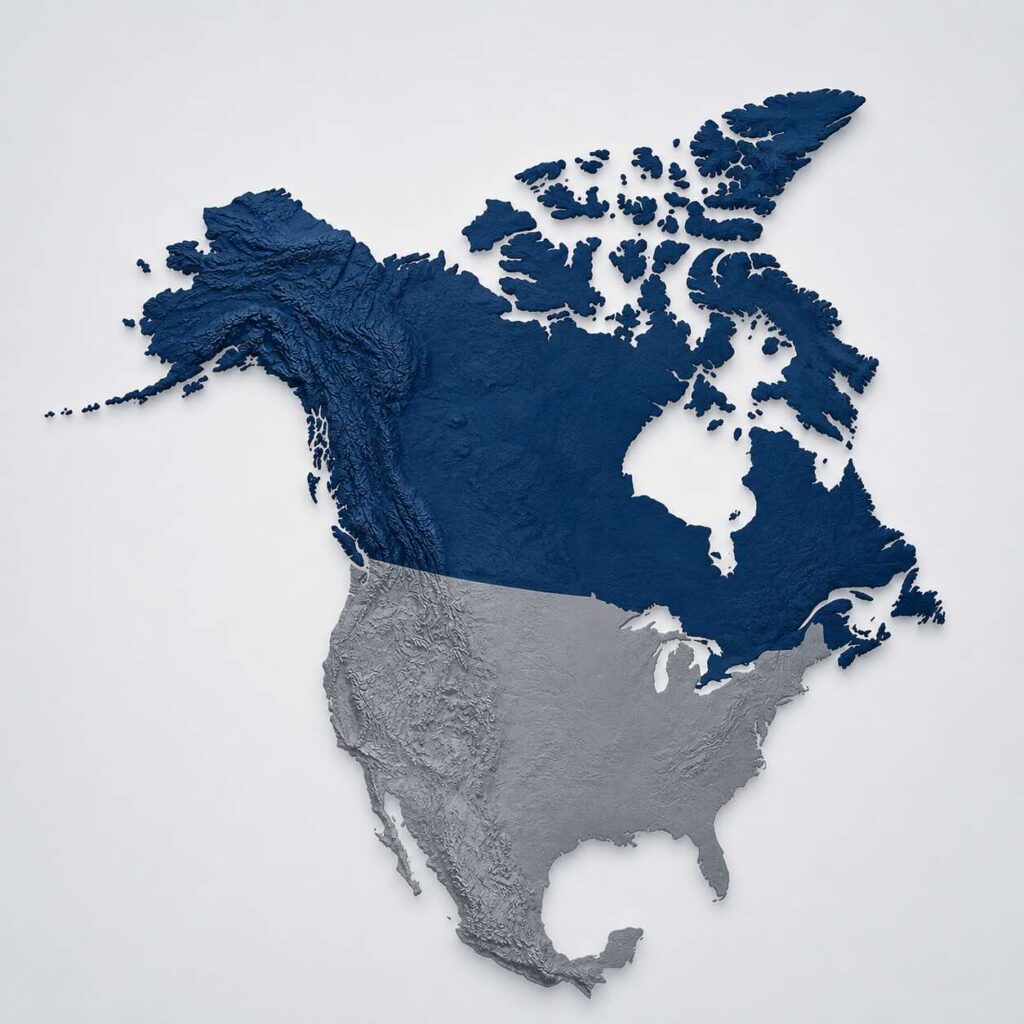

Nearly every U.S. state requires drinking water system components to comply with NSF/ANSI/CAN 61. A survey conducted by NSF and the Association of State Drinking Water Administrators (ASDWA) found that 49 of 50 U.S. states have legislation, regulations, or policies requiring compliance with or certification to NSF 61. In Canada, a separate Health Canada survey found that 11 of 13 provinces and territories require drinking water system components to comply with NSF 61 requirements. This blog reviews the survey findings and explains what they mean for specifying and sourcing flanges used for drinking water systems across state lines.
The NSF and ASDWA Survey
NSF and the Association of State Drinking Water Administrators (ASDWA) surveyed U.S. state drinking water agencies on their recognition and use of three standards: NSF/ANSI/CAN 60 (treatment chemicals), NSF/ANSI/CAN 61 (system components), and NSF/ANSI/CAN 372 (lead content). Health Canada ran a parallel survey of Canadian provincial and territorial agencies. The results confirm a near-universal baseline across North America.
NSF-60, NSF-61, and NSF-372 Adoption Overview
| Standard | U.S. States Requiring | Canadian Provinces/Territories |
| NSF/ANSI/CAN 60 (treatment chemicals) | 49 of 50 | 9 of 13 |
| NSF/ANSI/CAN 61 (system components) | 49 of 50 | 11 of 13 |
| NSF/ANSI/CAN 372 (lead content) | Goes together with NSF-61 | Goes together with NSF-61 |
Forty-nine states have such requirements for NSF-61. Of those 49, 43 specifically require certification by an ANSI-accredited certification body. ANSI accreditation, obtained in 1989, helped establish NSF certification as a nationally recognized conformity assessment program, making it easier for states and local jurisdictions to reference NSF standards and certifications in drinking water regulations and procurement specifications. Our blog post on the history of NSF/ANSI/CAN 60 and 61 explains how that accreditation and standards-development process evolved over time. The remaining six states (Alabama, Delaware, Florida, Illinois, Nebraska, and Wyoming) require or recommend compliance with NSF/ANSI/CAN 61 but do not specifically require ANSI-accredited certification. The state of Wyoming recommends compliance with NSF/ANSI/CAN 61 but does not require it because the state does not hold primary enforcement responsibility (primacy) for drinking water regulations.
Hawaii was the one state identified with no state-level requirement for NSF-61, though local requirements may still apply. Hawaii adopted legislation for NSF-61 Section 9 only, which covers mechanical plumbing devices.
State-by-State NSF-60 and NSF-61 Requirements
The table below covers NSF-60 and NSF-61. It orders the states by the earliest effective date or latest update that the survey reports for either standard, with states that report no date listed last. State citations are in Addendum A of the NSF survey.
| State | NSF-60 effective date or latest update | NSF-61 effective date or latest update | Legislation or regulation adopted? | ANSI-accredited certifier required? |
| Utah | July 1989 | July 1989 | Yes | Yes |
| Oregon | November 13, 1989 | November 13, 1989 | Yes | Yes (policy) |
| Missouri | April 1992 | April 1992 | Yes | Yes |
| Georgia | July 1992 | July 1992 | Yes | Yes |
| New Mexico | July 1992, revised 2007 | July 1992, revised 2007 | Yes | Yes |
| Montana | September 1992 | September 1992 | Yes | Yes |
| Vermont | September 24, 1992 | September 24, 1992 | Yes | Yes |
| Massachusetts | November 1992 | November 1992 | Yes | Yes |
| Alabama | November 9, 1992 | November 9, 1992 | Yes | Yes (NSF-60) |
| Maryland | December 1992 | December 1992 | Yes | Yes |
| Rhode Island | January 1993 | January 1993 | Yes | Yes |
| Arizona | January 1, 1993 | January 1, 1993 | Yes | Yes |
| Florida | January 1, 1993 | January 1, 1993; January 1, 1994 | Yes | No |
| Texas | January 1, 1993 | January 1, 1993 | Yes | Yes |
| New York | July 1993 | July 1993 | Policy | Yes (policy) |
| Michigan | — | September 16, 1993 | Yes | Yes |
| Idaho | October 1, 1993 | October 1, 1993 | Yes | Yes |
| California | January 1, 1994 | March 9, 2008 | Yes | Yes |
| Alaska | May 18, 1994 | May 18, 1994 | Yes | Yes |
| North Carolina | July 1, 1994 | July 1, 1994 | Yes | Yes |
| Arkansas | October 1, 1994 | October 1, 1994 | Yes | Yes (policy) |
| Pennsylvania | October 8, 1994 | October 8, 1994 | Yes | Yes |
| Tennessee | January 1995 | January 1995 | Yes | Yes |
| South Carolina | July 28, 1995 | July 28, 1995 | Yes | Yes |
| Virginia | November 15, 1995 | November 15, 1995 | Yes | Yes |
| North Dakota | January 31, 1997 | January 31, 1997 | Yes | Yes |
| Nevada | February 1997 | February 1997 | Yes | Yes |
| New Hampshire | June 1997 | June 1997 | Yes | Yes |
| New Jersey | June 1997 | June 1997 | Yes | Yes |
| Washington | April 1999 | April 1999 | Yes | Yes |
| Indiana | May 1, 1999 | May 1, 1999 | Yes | Yes |
| Delaware | August 11, 1999 | August 11, 1999 | Yes | No |
| Iowa | October 1, 2000 | August 11, 1999 | Yes | Yes |
| Hawaii | September 7, 1999 | — | Yes | Yes |
| West Virginia | July 2000 | July 2000 | Yes | Yes |
| Ohio | Revised April 21, 2001 | Revised April 21, 2001 | Yes | Yes |
| Oklahoma | Update effective June 1, 2003 | Update effective June 1, 2003 | Yes | Yes (policy) |
| Maine | July 1, 2008 | July 1, 2008 | Yes | Yes |
| Colorado | — | — | Policy | Yes (policy) |
| Connecticut | — | — | Policy | Yes |
| Illinois | — | — | Policy | — |
| Kansas | — | — | Policy | Yes (policy) |
| Kentucky | — | — | Policy | Yes (policy) |
| Louisiana | — | — | Yes | Yes |
| Minnesota | — | — | Policy | Yes (policy) |
| Mississippi | — | — | Policy | Yes (policy) |
| Nebraska | — | — | Policy | — |
| South Dakota | — | — | Policy | Yes (policy) |
| Wyoming | — | — | Policy | — |
Notable details from the survey’s footnotes:
- Arizona amended its rule in July 1996 so that exceptions are allowed when products certified to NSF-60 or NSF-61 are unavailable.
- Delaware checks products against the NSF listings or an equivalent guide, and compounds that neither standard covers are not subject to the certification requirement.
- Kansas does not name NSF-60 or NSF-61 in its regulations. Rule K.A.R. 28-15-18(h) instead lets the state approve chemicals and coatings that contact water for public consumption.
- Maryland accepts certifications from other third-party certifiers as well.
- Massachusetts adds its own limit: brass products may contain no more than 3 percent lead.
Why NSF-372 Rarely Appears as a Separate Line Item
The survey’s state-by-state addendum tracks adoption of NSF/ANSI/CAN 60 and 61 only. NSF-372 doesn’t need its own state citation, because it is tied to NSF-61 through federal law. Products certified to NSF/ANSI/CAN 61 are generally also evaluated to NSF/ANSI/CAN 61, except for product categories specifically exempted under the Safe Drinking Water Act. The survey notes that all products certified to NSF/ANSI/CAN 61 must also be evaluated to NSF/ANSI/CAN 372 unless exempted by federal law. The EPA’s September 2020 final lead-free rule requires manufacturers and importers to certify that their products meet the 0.25% weighted-average lead limit. As a result, a state regulation may reference NSF 61, but compliance often includes the lead-content evaluation associated with NSF 372 as well. Many state drinking water regulations predate NSF 372. The effective dates listed in the survey’s addendum generally range from the late 1980s through 2008, while NSF/ANSI 372 was later developed as a standalone lead-content standard in 2010.
The Canadian Side
North of the border, Health Canada surveyed provincial and territorial drinking water agencies and found that 11 of 13 provinces and territories require compliance with NSF/ANSI/CAN 61, while 9 of 13 require compliance with NSF/ANSI/CAN 60. Nunavut and Yukon have no current adoption of NSF/ANSI/CAN 61. For NSF/ANSI/CAN 60, the jurisdictions without current adoption are British Columbia, Nunavut, and Yukon.
The Standards Council of Canada accepted both standards as National Standards of Canada in April 2019, although earlier versions had been widely recognized for many years. For most products, the NSF/ANSI/CAN 61 requirement reaches the market indirectly. Canadian plumbing codes cite CSA standards, and those CSA standards in turn, require compliance with NSF/ANSI/CAN 61. Plumbing products installed inside buildings are regulated through the applicable plumbing code rather than directly by drinking water agencies.
What This Means for Sourcing Across State Lines
For a manufacturer or buyer working across multiple states or provinces, the practical takeaway is clear. NSF/ANSI/CAN 61 certification, together with NSF/ANSI/CAN 372 lead-content compliance where applicable, is effectively a default requirement throughout most of the U.S. and Canada. A flange can be fully certified for drinking water contact and still need to meet domestic sourcing or procurement requirements specified by a particular project. We cover more about NSF certification and domestic material sourcing requirements in our blog post, Domestic AIS Flanges: U.S. Compliance Requirements by State.
Conclusion
NSF-61 compliance and the associated NSF-372 lead-content requirements are required or recommended in 49 of 50 U.S. states and required in 11 of 13 Canadian provinces and territories. On drinking water projects, certified flanges are generally expected. The remaining step is verifying the supplier’s certification. NSF’s public certified products database allows purchasers, engineers, and utilities to confirm certifications by manufacturer and product line.
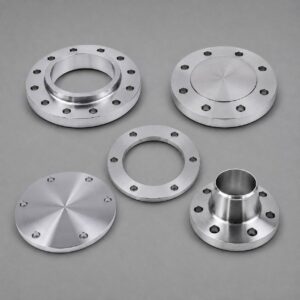
Every flange in API International’s CleanLine is certified to both NSF-61 and NSF-372. See our official NSF listing for the full list of certified products. Explore the comprehensive range of flanges in our online product catalog, or contact us for custom machining on nonstandard sizes and configurations. Get connected with a dedicated sales representative today, or call us at 503.692.3800.
Frequently Asked Questions
How many U.S. states require NSF-61 certification?
A survey conducted by NSF with the Association of State Drinking Water Administrators (ASDWA) found that 49 U.S. states have legislation, regulations, or policies requiring drinking water system components to comply with or be certified to NSF-61.
Do all of those states require ANSI-accredited certification specifically?
Most do, but not all. Of the 49 states, 43 require ANSI-accredited certification. The other six (Alabama, Delaware, Florida, Illinois, Nebraska, and Wyoming) require or recommend compliance without mandating accredited certification.
Is NSF-372 tracked separately from NSF-61 in state regulations?
Not typically. The survey tracks state adoption of NSF-61 and does not report NSF-372 separately. Because products certified to NSF-61 are also required to meet NSF-372, with limited exemptions under the Safe Drinking Water Act, a state requirement for NSF-61 generally brings the NSF-372 lead-content requirement with it.
Does Canada have similar requirements?
Yes. A Health Canada survey found that 11 of 13 provinces and territories require compliance with NSF-61.
Are there states with no NSF-61 requirement at all?
Hawaii was identified as having no state requirement for NSF-61 in the survey, though local requirements may still apply.
Do states require NSF-61 through legislation, regulation, or policy?
Most do so through legislation or regulation. In NSF’s addendum, 38 of the 49 states listed have adopted legislation or regulations, and 11 rely on policy. Thirteen states also build on the 10 State Standards for Water Works, which themselves point to NSF-61 for some of the products used in treatment and distribution.
Does Canada require certification by an accredited body?
Five provinces require or recommend certification by a Standards Council of Canada (SCC) accredited body: Alberta, Newfoundland and Labrador, Nova Scotia, Ontario, and Quebec. Saskatchewan and Prince Edward Island do not.
Related Products
-
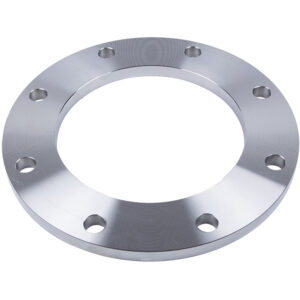
AWWA C228 Class SE Stainless Steel Ring Flanges (NSF-61-372)
This product has multiple variants. The options may be chosen on the product page -
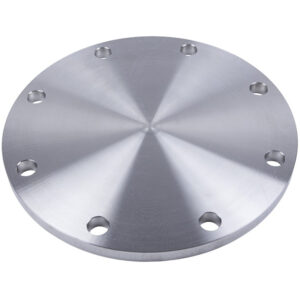
AWWA C228 Class SE Stainless Steel Blind Flanges (NSF-61-372)
This product has multiple variants. The options may be chosen on the product page -
AWWA C228 Class SD Stainless Steel Ring Flanges (NSF-61-372)
This product has multiple variants. The options may be chosen on the product page -
AWWA C228 Class SD Stainless Steel Blind Flanges (NSF-61-372)
This product has multiple variants. The options may be chosen on the product page