
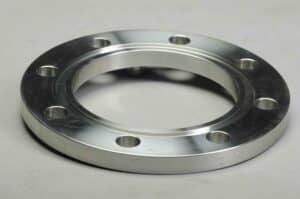
What Actually Goes Into NSF Certification

An NSF certification mark can look like just another stamp on a spec sheet, but, in reality, there are a lot of steps that stand behind it. Getting NSF-certified takes independent testing, a full facility audit, and ongoing checks over time. This is not a one-time review. This full process matters when you are specifying flanges for drinking water. And this is what separates a genuinely certified product from one that only claims to meet the standard. In this guide, we cover what actually goes into the NSF certification.

What Certification Verifies

Certification Element

What It Confirms

Full disclosure

Manufacturer submits material formulation, process, and intended use

Technical review

NSF reviews the formulation and parts list line by line

Laboratory testing

Samples tested under simulated drinking-water contact conditions

On-site facility audit

Auditors confirm production matches what was disclosed

Ongoing surveillance

Certification is maintained through continued audits, not a one-time approval

1. It Starts With Full Disclosure

Certification to NSF/ANSI/CAN 60 and 61 begins with the manufacturer handing over full information on the product. This information typically includes: material formulations, manufacturing process, and intended use. The reviewers then use those details to map out what testing the product needs.

2. A Real Technical Review

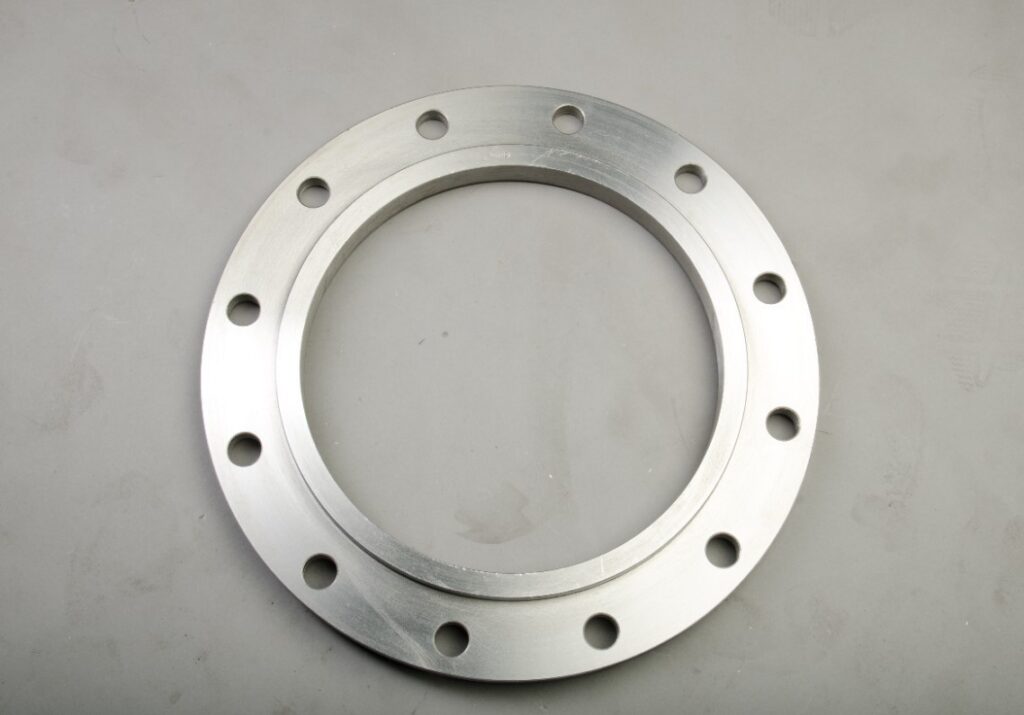
The second stage is a comprehensive technical review. Here, the certification team goes through the formulation and parts list line by line. For a flange, that means reviewing the alloy composition, any coatings, and every nonmetallic component in the assembly. This includes gaskets, seals, and similar wetted materials. Each component gets evaluated for what it could potentially leach into drinking water.

3. Laboratory Testing, Not a Paper Exercise

After the review is done, the product goes to the lab. This is where NSF-61 earns its reputation as a health-effects standard. Samples are tested under conditions designed to simulate real drinking-water contact. And the results are measured against strict contaminant thresholds, not just “pass/fail on the label.”

4. On-Site Facility Audits

This is the step that separates certification from a self-declared compliance claim. And it is also the step most buyers don’t realize happens at all. NSF audits the actual manufacturing facility, where the flanges are cast, forged, or machined. Auditors confirm that what’s being produced on the floor matches what was disclosed and reviewed on paper.

5. Certification Isn't a One-Time Event

Passing the initial review, testing, and audit doesn’t mean a manufacturer is done. Certified facilities are subject to ongoing surveillance, and certification has to be actively maintained, not just earned once and forgotten. A flange manufacturer that lets its certification lapse is no longer covered. The same applies if it changes a formulation without disclosing it again, even if the box it ships in still says otherwise.

What NSF Certification Means for Flange Buyers

Certification is a claim which can be verified. Compliance generally is not. If a supplier says a flange is NSF 61 certified, that claim is backed by an independent third party.
  • Confirm which specific parts, sizes, alloys, and grades are covered by the certification.
  • Verify the certifying body and product listing directly rather than relying only on a spec sheet claim.
  • Keep the manufacturer’s Mill Test Reports on file alongside the certification. They provide different information, and both may be required.

Conclusion

The NSF mark represents a specific, repeatable process: full disclosure, technical review, laboratory testing, an on-site facility audit, and ongoing surveillance to keep the certification current. Every flange in API International’s CleanLine follows each of those steps. Explore the comprehensive range of flanges in our online product catalog, or contact us for custom machining on nonstandard sizes and configurations. Get connected with a dedicated sales representative today, or call us at 503.692.3800.

Frequently Asked Questions

Does NSF test the finished flange or just the raw material?

Both. The technical review looks at material formulation and the parts list, and the laboratory testing evaluates how the finished product behaves under simulated drinking-water contact conditions.

How often does a certified facility get audited?

Certification includes ongoing surveillance rather than a single inspection. Certified facilities undergo continued audits to confirm they still match what was originally disclosed and tested.

Can a manufacturer change a flange's material and keep the same certification?

No. A material or formulation change requires re-disclosure and, typically, re-evaluation. Certification is tied to the specific product as reviewed and tested, not to the manufacturer generally.

Is an on-site audit required, or just recommended?

It's a required part of the certification process. NSF audits the actual manufacturing facility as a standard step, not an optional add-on.