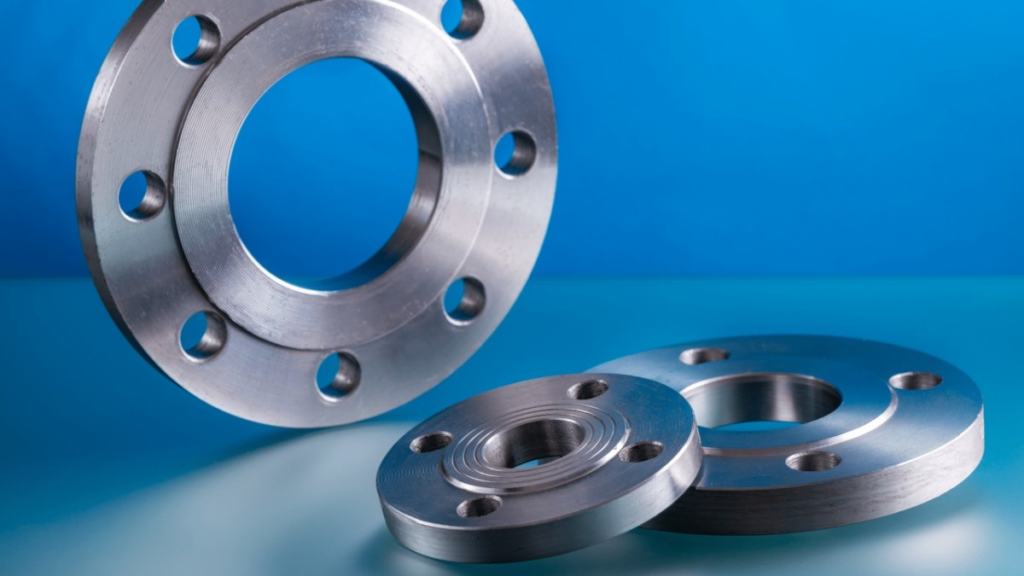
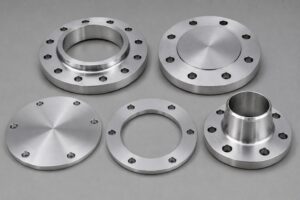
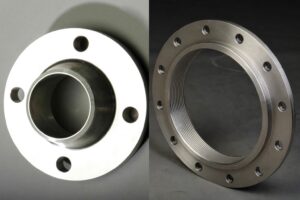
NSF/ANSI/CAN 372-certified flanges are part of a larger group of NSF standards covering drinking water systems, plastic piping, pools and spas, and wastewater treatment. Within the drinking water standards, NSF/ANSI/CAN 372 verifies that a product meets the federal lead-free requirements established under the Safe Drinking Water Act. NSF/ANSI/CAN 372 works alongside NSF/ANSI/CAN 61, which addresses the potential for materials and components to leach contaminants into drinking water. In this article, we’ll explain what NSF/ANSI/CAN 372 certification covers for stainless steel flanges, how it differs from NSF/ANSI/CAN 61, and where the standard applies in water and wastewater systems.
NSF’s Water and Wastewater Standards Portfolio
NSF publishes consensus standards in several broad areas: drinking water systems, plastic piping systems, pool, spa, and recreational water, and wastewater. It led the development of the American National Standards for materials and products that treat or contact drinking water. The table below summarizes the portfolio as described on NSF’s water and wastewater standards portfolio.
| Category | Standards | What They Address |
|---|---|---|
| Drinking water systems | NSF/ANSI/CAN 60, 61, and 372 | Treatment chemicals, system components, and lead content for products that treat or contact drinking water |
| Residential drinking water treatment | Eight point-of-use and point-of-entry standards | Treatment systems and components; NSF developed its first such standard in 1973 |
| Plastic piping systems | NSF/ANSI 14 and NSF/ANSI 358-1 | Plastic pipes and fittings; polyethylene pipe and fittings for geothermal heat pump systems |
| Pools, spas, and recreational water | NSF/ANSI/CAN 50 | Equipment for pools, spas, hot tubs, and other recreational water facilities |
| Wastewater | NSF/ANSI 40, 41, 46, 240, 245, and 360 | Residential treatment systems, composting toilets, system components, drainfield products, nitrogen reduction, and field performance verification |
| Wastewater protocols | NSF P150, P157, and P353 | Tissues in septic systems, incinerating toilets, and sewage sludge sterilization |
What NSF’s Wastewater Standards Cover
NSF’s wastewater standards primarily focus on onsite treatment systems. NSF/ANSI 40 covers residential wastewater treatment systems, while NSF/ANSI 41 covers composting toilets and similar systems. In addition, NSF/ANSI 46 evaluates components and devices such as grinder pumps, septic tank effluent filters, chlorination systems, and UV disinfection devices. NSF/ANSI 240, 245, and 360 address drainfield products, nitrogen reduction, and field performance verification. These standards evaluate wastewater treatment systems and their devices. Unlike NSF/ANSI/CAN 61 and NSF/ANSI/CAN 372, they do not apply directly to flanges used in drinking water or wastewater piping systems.
Drinking Water Systems Standards
There are three primary NSF drinking water standards that work together. NSF/ANSI/CAN 60 addresses what can be added to the water. Meanwhile, NSF/ANSI/CAN 61 addresses what the water touches as it moves through the system. NSF/ANSI/CAN 372 focuses on lead content and verifies compliance with federal lead-free requirements. Our guides to NSF/ANSI/CAN 61 and NSF/ANSI/CAN 372 cover each standard in detail.
| Standard | What It Covers | Question It Answers | Relevance to Flanges |
| NSF/ANSI/CAN 60 | Treatment chemicals, including corrosion and scale control, pH adjustment, coagulation, disinfection, and specialty chemicals | What is added to the water | Applies to chemicals used to treat water, not to the flange itself |
| NSF/ANSI/CAN 61 | Health-effects criteria for products, components, and materials that contact drinking water | Whether contaminants that leach or migrate from a product exceed acceptable levels | Determines whether a flange, gasket, or coating can contact potable water |
| NSF/ANSI/CAN 372 | Lead content only, with a 0.25% maximum weighted average (0.2% for solders and fluxes) | How much lead the wetted surfaces contain | Verifies lead-free status under federal law and applies alongside NSF-61 |
How NSF-372 Applies to a Flange Assembly
NSF/ANSI/CAN 372 applies to many products that come into contact with drinking water, including coatings, valves, pipes, gaskets, solder and flux, fittings, faucets, water filters, water softeners, reverse osmosis systems, ultraviolet reactors, and water meters. The standard verifies compliance with the federal lead-free requirements by evaluating the weighted average lead content of all wetted components within a product or assembly. For flanges, compliance is not necessarily determined by the flange body alone. When multiple wetted components are part of the certified product, NSF/ANSI/CAN 372 considers both the lead content and wetted surface area of each component. A stainless steel flange body with a leaded brass wetted component, for example, would be evaluated based on the complete wetted assembly rather than the flange body by itself. NSF/ANSI/CAN 61 evaluates many of the same components from a different perspective, assessing their potential to contribute contaminants to drinking water through leaching. The 2024 edition also introduced PFAS evaluation requirements for certain fluoropolymer materials commonly found in flange gaskets and seals. Our NSF/ANSI/CAN 372 Technical Requirements Guide explains these requirements in greater detail.
| Part of the Assembly | NSF-61 | NSF-372 |
| Flange body | Covered as a pipe and related product, which includes fittings and flanges | Counted in the weighted average; 304L and 316L alloys typically carry negligible lead |
| Gaskets and seals | Covered as joining and sealing materials; fluoropolymers also face PFAS testing | Gaskets are among the products NSF lists as covered |
| Coatings | Covered as barrier materials, which include paints and coatings | Coatings are among the products NSF lists as covered |
| Other wetted components, such as brass fittings | Evaluated for what they could leach into drinking water | A leaded component affects the weighted average for the whole assembly |
Where NSF-372 Certified Flanges Fit
Because NSF-372 covers products that contact drinking water, it fits well in a municipal water system that includes treatment plants, potable water storage, and pump and booster systems. Wastewater-only piping is outside that scope, and NSF’s wastewater standards evaluate onsite systems and devices, not flanges.
Conclusion
NSF/ANSI/CAN 372-certified flanges fall under NSF’s drinking water standards, which address treatment chemicals, health effects, and lead content in products used in drinking water systems. Every flange in API International’s CleanLine product family is certified to both NSF/ANSI/CAN 61 and NSF/ANSI/CAN 372. See our official NSF listing for the complete list of certified products. Explore our online product catalog to view our full range of flanges, or contact us for custom machining of nonstandard sizes and configurations. Get connected with a dedicated sales representative today, or call 503.692.3800.
Frequently Asked Questions
Do NSF-61 and NSF-372 apply to wastewater piping?
NSF-61 and NSF-372 cover products that contact drinking water, so they are not written for piping that carries wastewater only. NSF’s wastewater standards cover onsite treatment systems and components rather than flanges.
How does NSF-372 fit into NSF’s broader standards portfolio?
NSF-372 sits alongside NSF-60 (treatment chemicals) and NSF-61 (system components health effects) within NSF’s water and wastewater standards portfolio. While NSF-60 and NSF-61 address what can be added to drinking water and what drinking water comes into contact with, NSF-372 focuses specifically on verifying compliance with federal lead-free requirements. The broader portfolio also includes standards for plastic piping systems, pool and spa equipment, and wastewater treatment systems. Our NSF/ANSI/CAN 372 Guide covers the standard in more detail.
What is the difference between NSF-61 and NSF-372?
NSF-61 covers the full range of chemicals a product might leach into drinking water. NSF-372 covers one specific requirement: a maximum weighted-average lead content of 0.25%. The two standards are usually specified together, not as alternatives to each other.
What is the difference between NSF-60 and NSF-372?
NSF-60 covers treatment chemicals added to drinking water, such as disinfection and pH adjustment chemicals. NSF-372 covers lead content in the components that water passes through, such as pipes, valves, and gaskets.
What was NSF-61 Annex G?
Annex G was added to NSF-61 in December 2008 to set out a 0.25% weighted-average lead-content methodology. That methodology became its own standard, NSF/ANSI 372, in 2010, and Annex G was retired from NSF-61 in 2013. See the history of NSF/ANSI/CAN 60 and 61 for more.
Which products does NSF-372 cover?
NSF lists coatings, valves, pipes, gaskets, solder and flux fittings, faucets, water filters, water softeners, reverse osmosis systems, ultraviolet reactors, and water meters. The maximum weighted lead content is 0.25% for most components and 0.2% for solders and fluxes.
Which parts of a flange assembly count toward NSF-372?
NSF-372 calculates a weighted average across every wetted component, using each component’s surface area and lead content. A leaded component anywhere in the wetted path affects the result for the whole assembly. Our NSF-372 technical requirements guide explains the calculation.
What other water and wastewater standards does NSF publish?
NSF’s portfolio covers four areas. Drinking water systems include NSF/ANSI/CAN 60, 61, and 372. Plastic piping systems include NSF/ANSI 14 and 358-1. Pools, spas, and recreational water fall under NSF/ANSI/CAN 50. Wastewater treatment includes NSF/ANSI 40, 41, 46, 240, 245, and 360.
Related Products
-
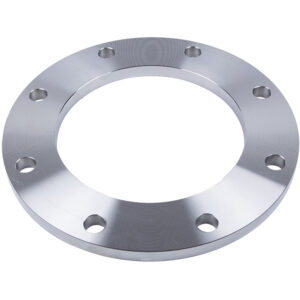
AWWA C228 Class SE Stainless Steel Ring Flanges (NSF-61-372)
This product has multiple variants. The options may be chosen on the product page -
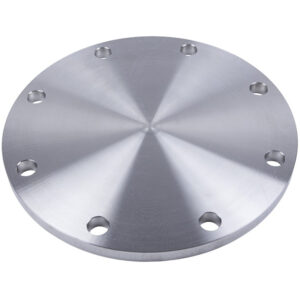
AWWA C228 Class SE Stainless Steel Blind Flanges (NSF-61-372)
This product has multiple variants. The options may be chosen on the product page -
AWWA C228 Class SD Stainless Steel Ring Flanges (NSF-61-372)
This product has multiple variants. The options may be chosen on the product page -
AWWA C228 Class SD Stainless Steel Blind Flanges (NSF-61-372)
This product has multiple variants. The options may be chosen on the product page